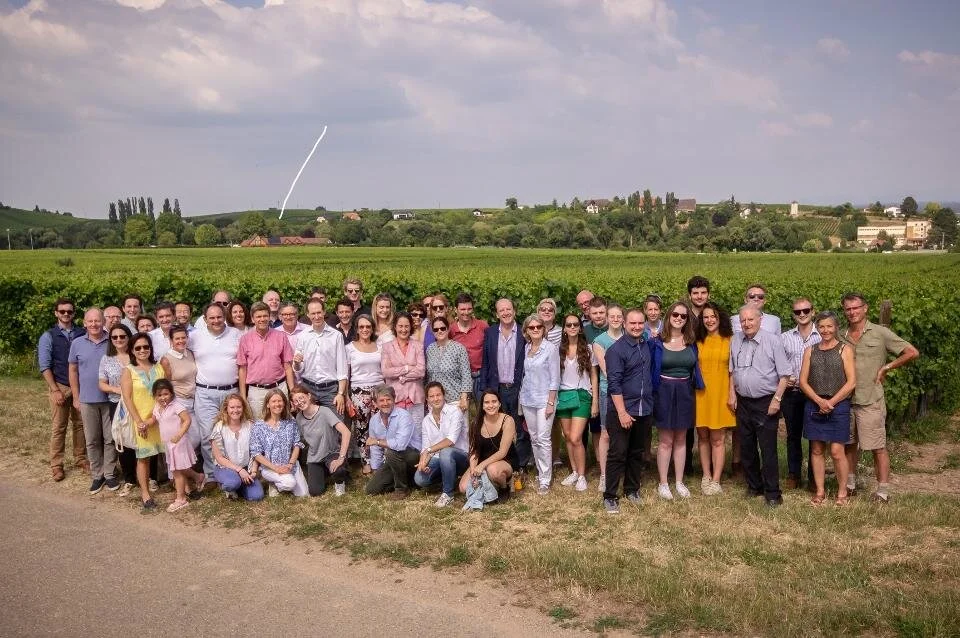
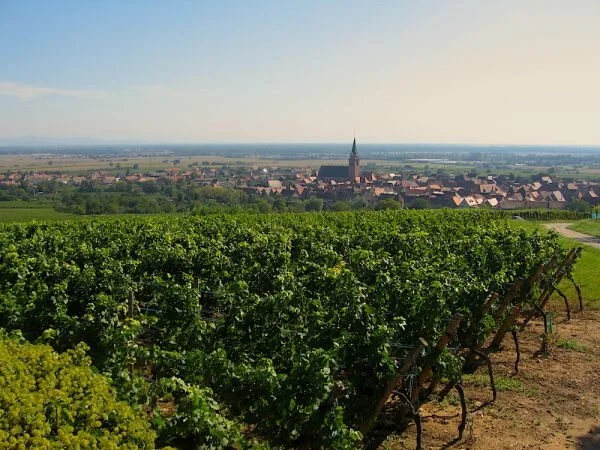
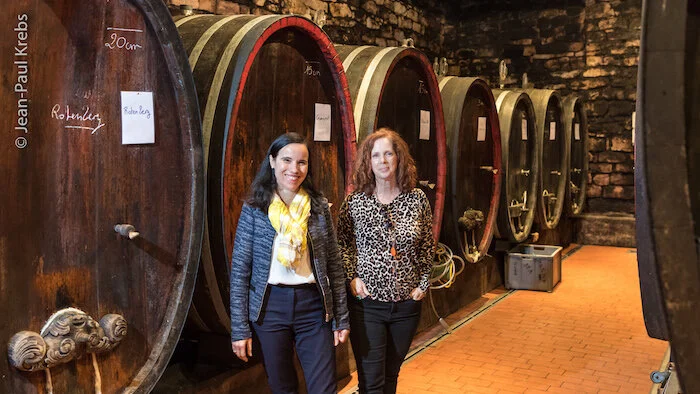
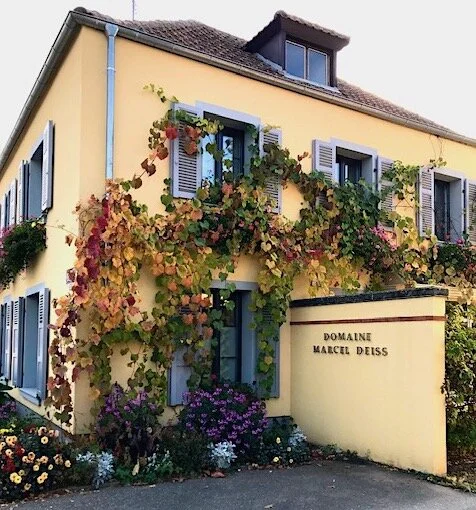
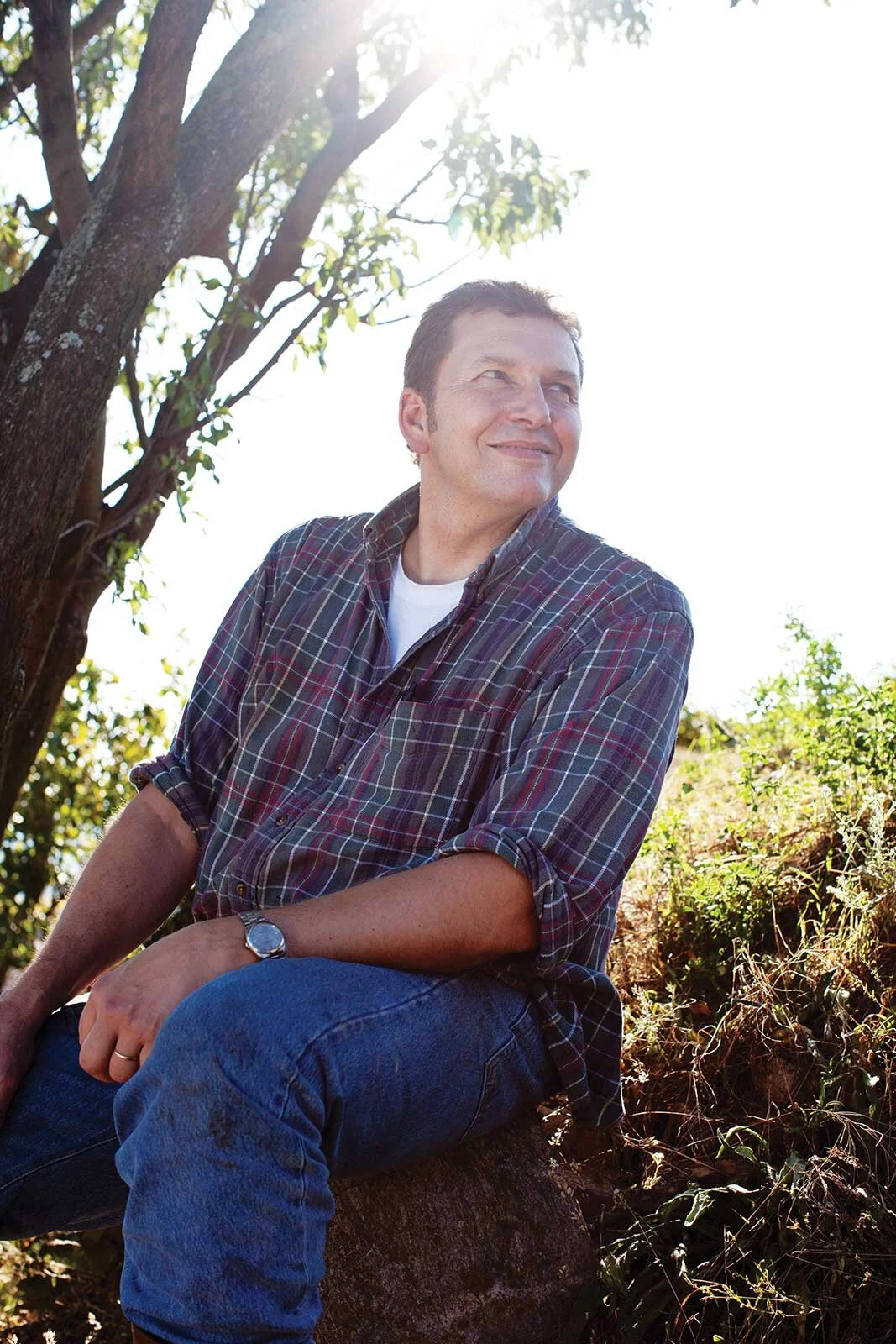
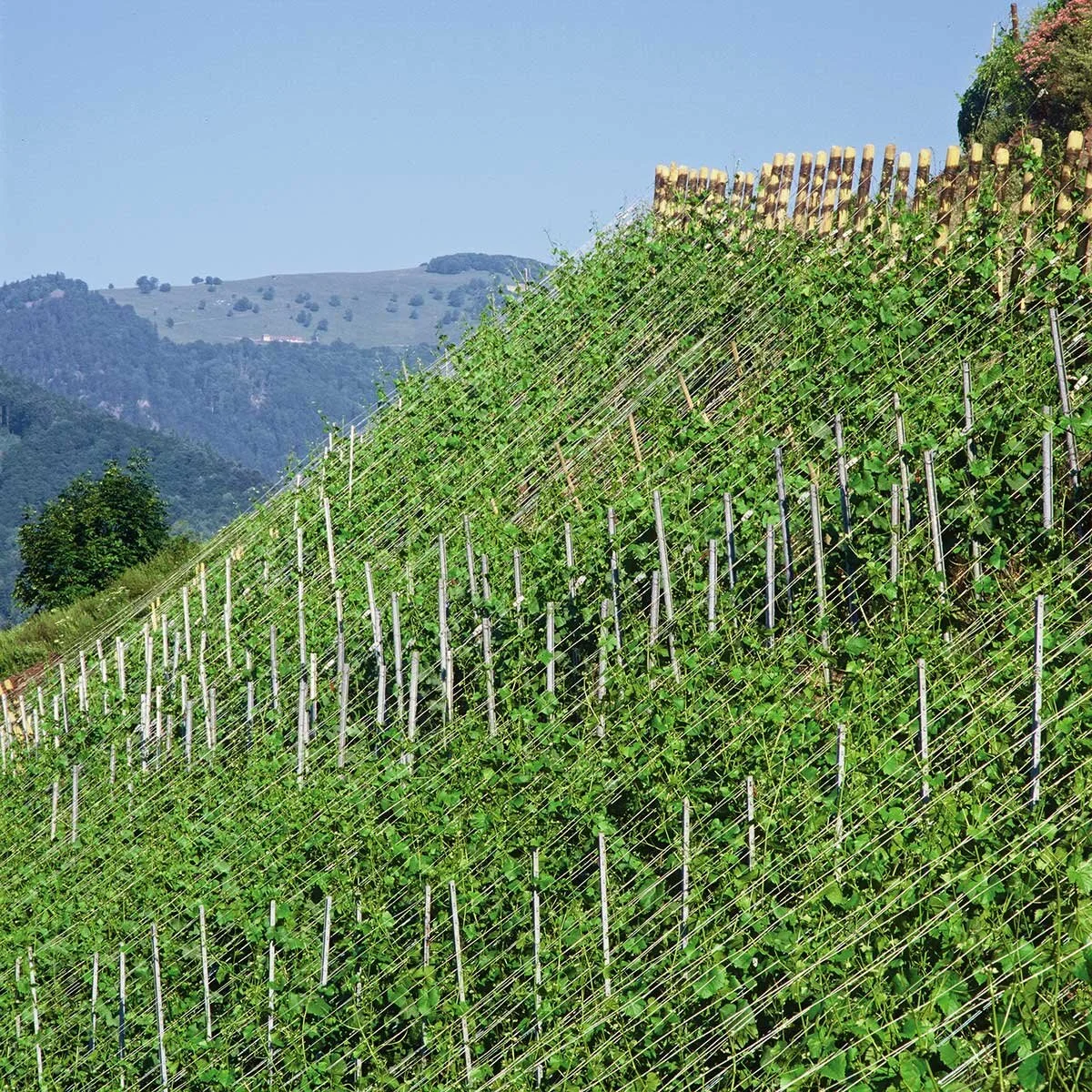
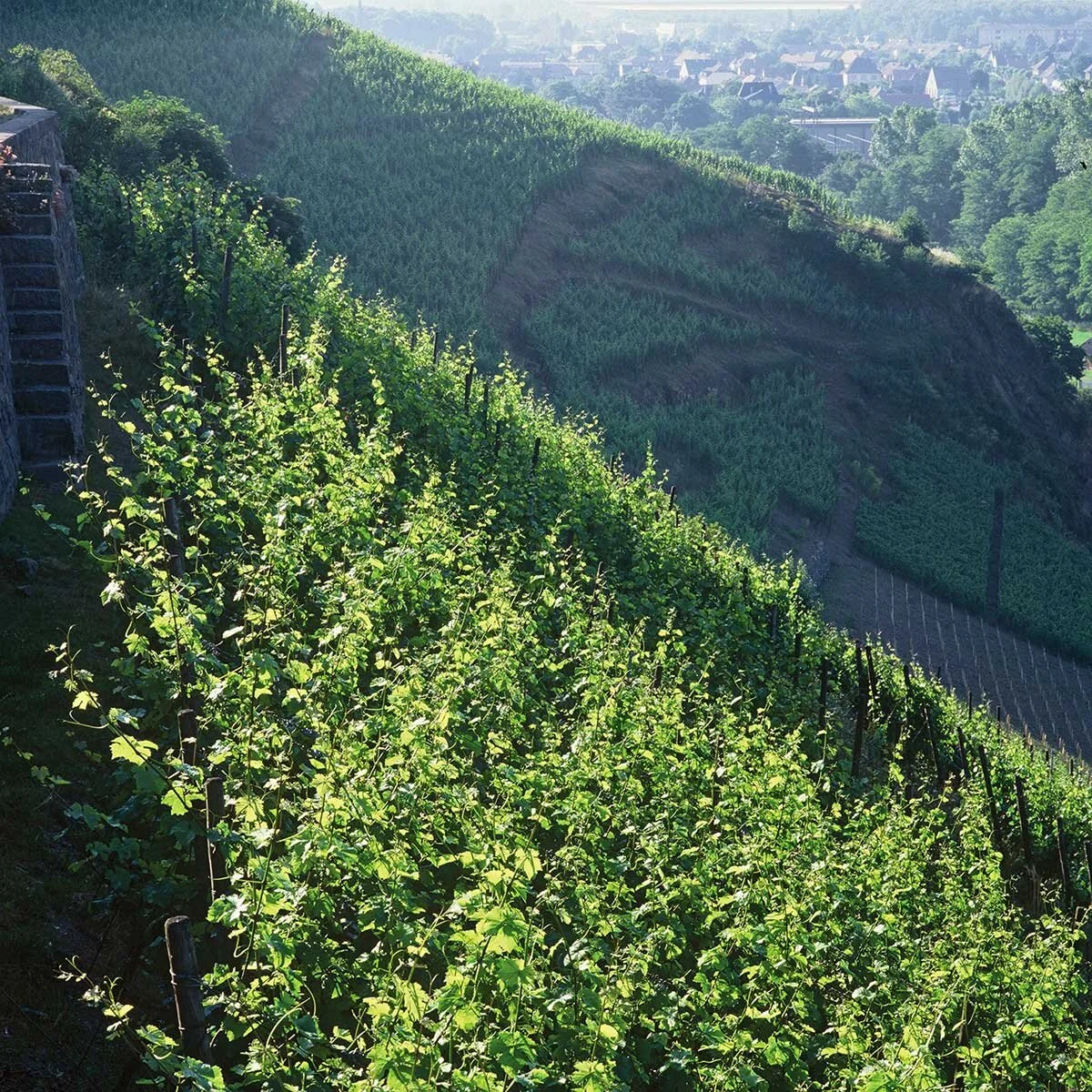
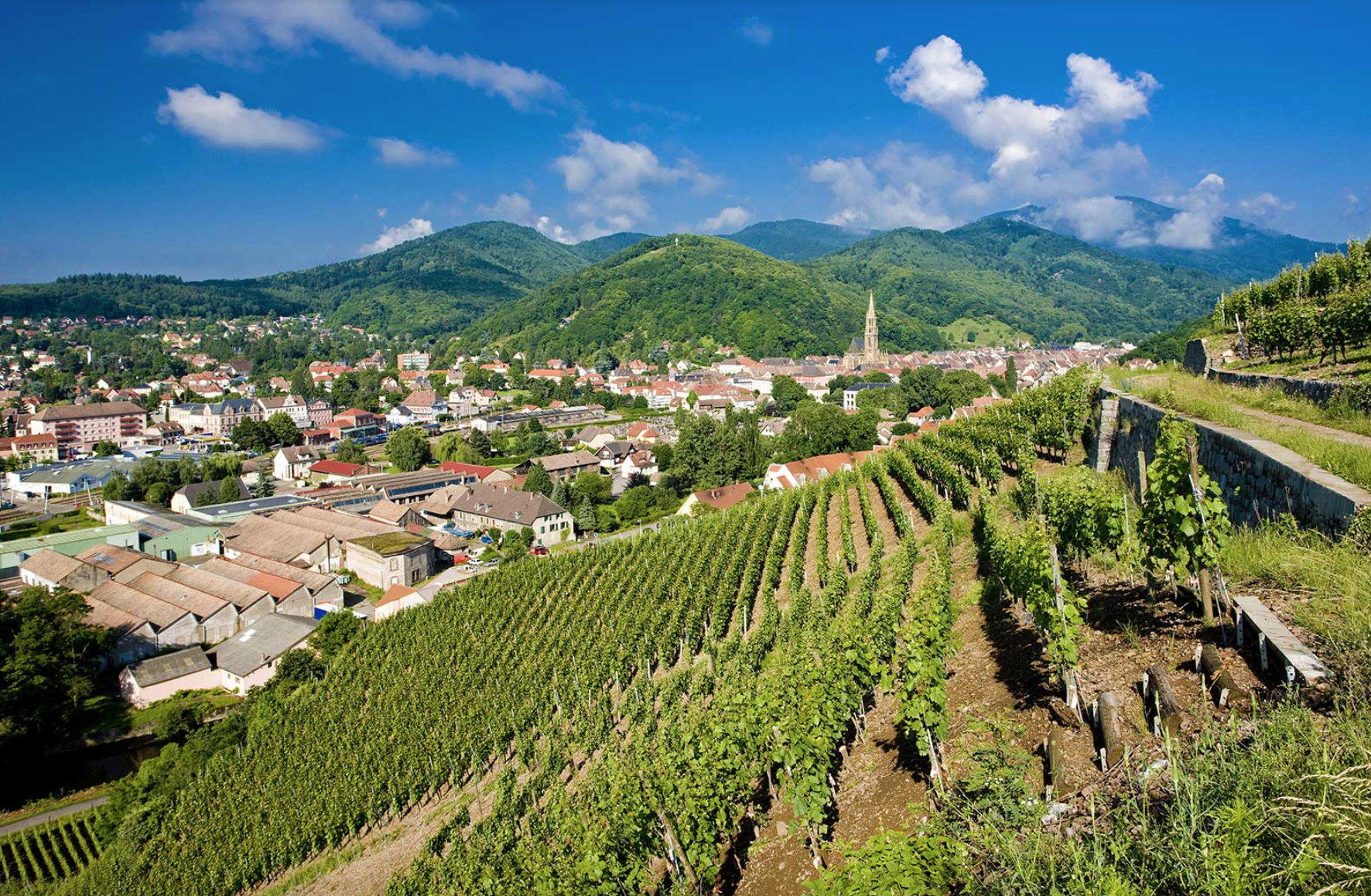
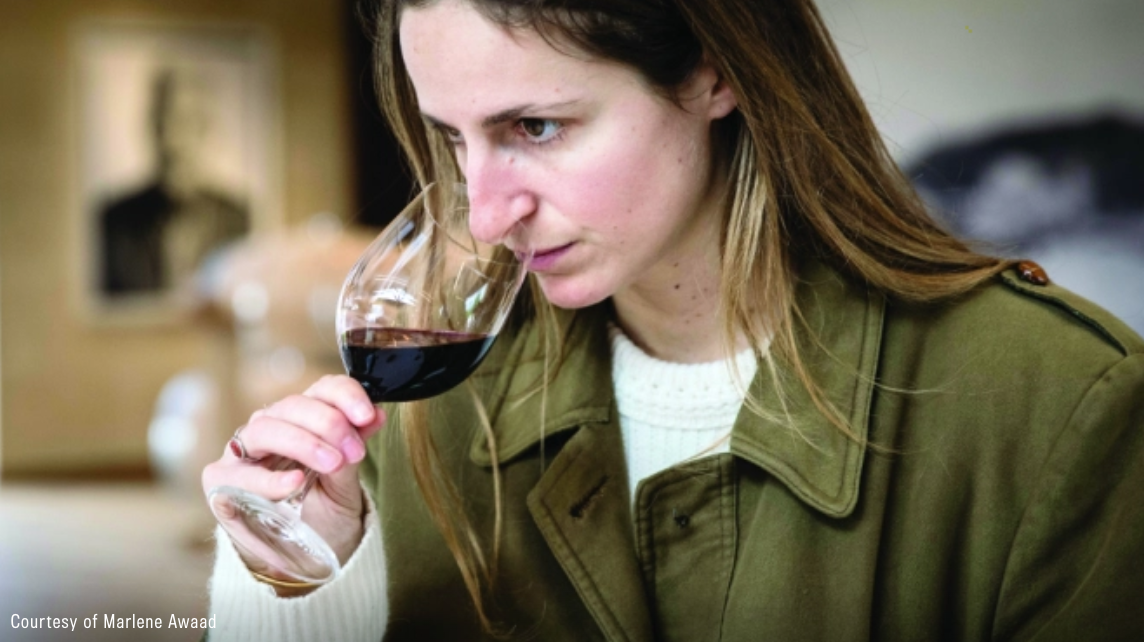
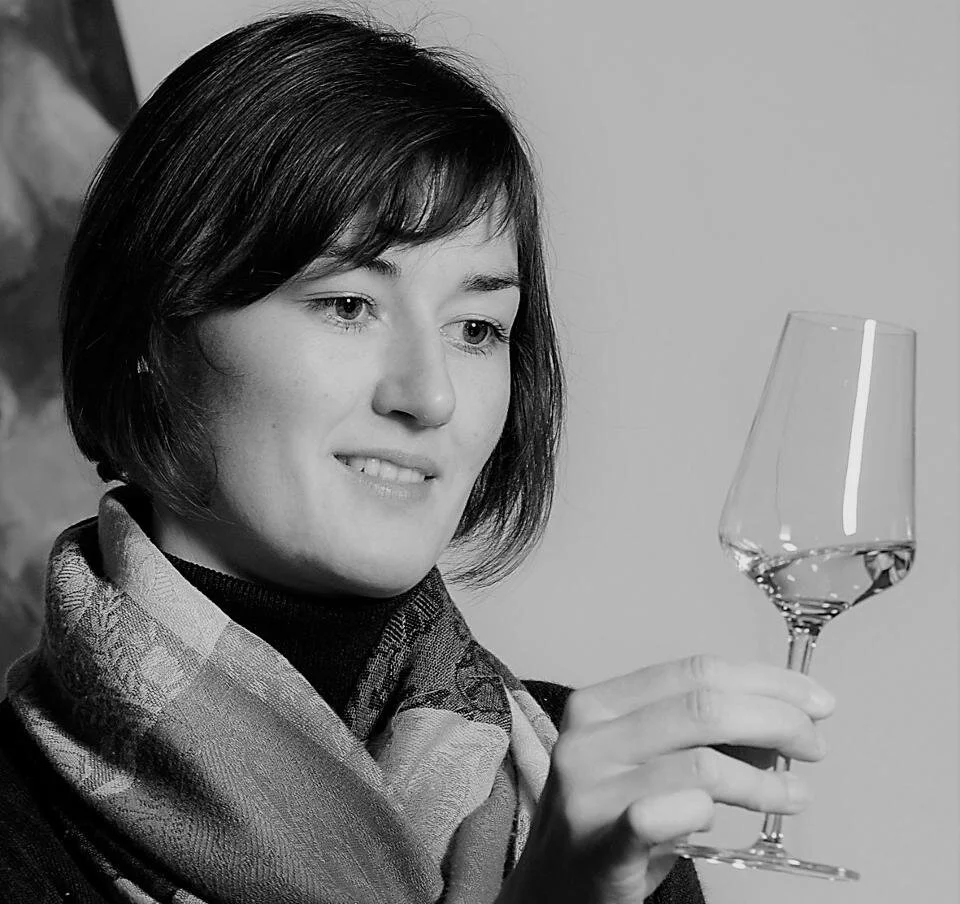
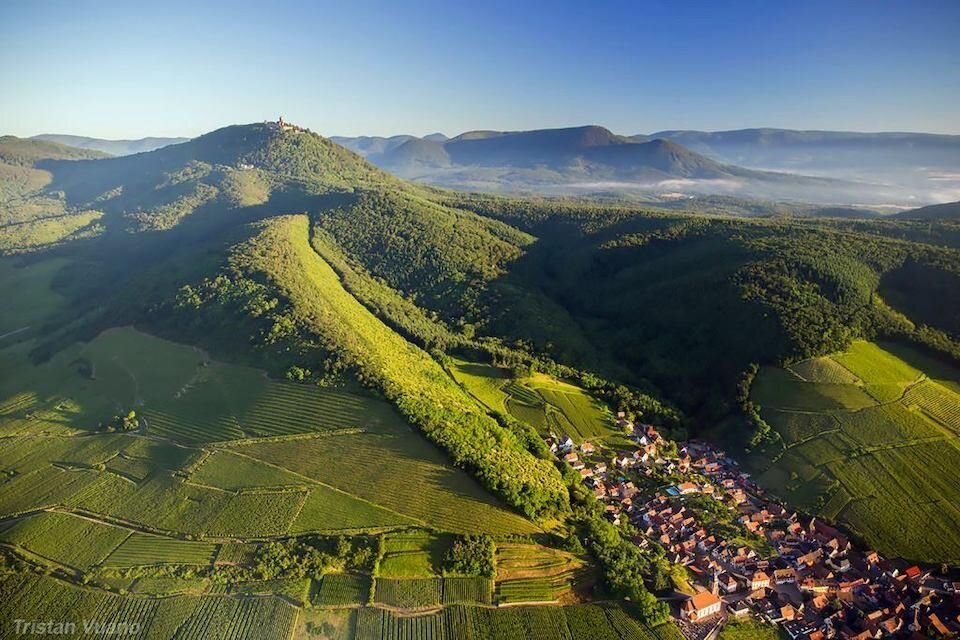
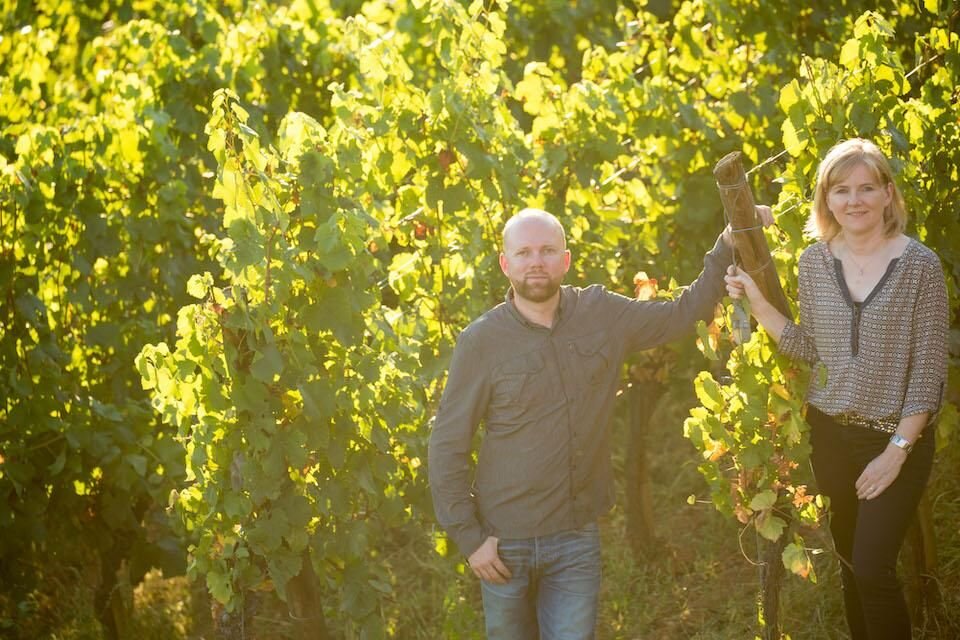
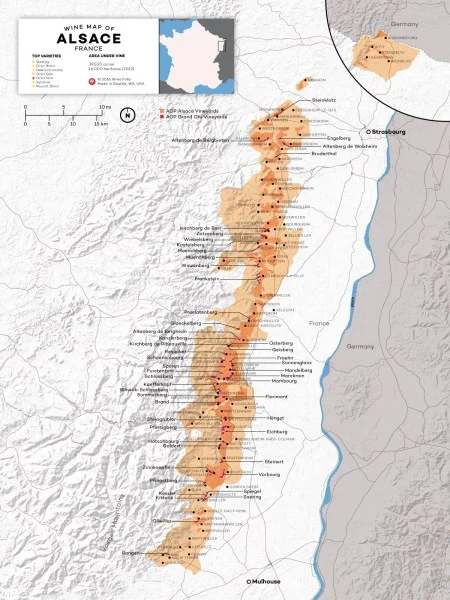
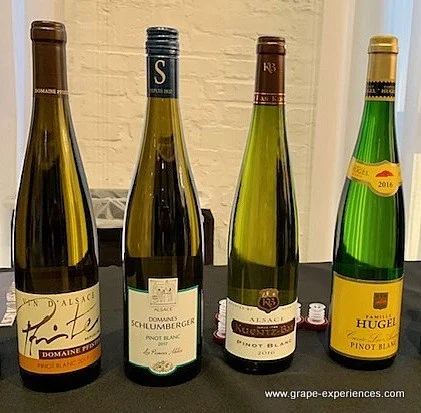
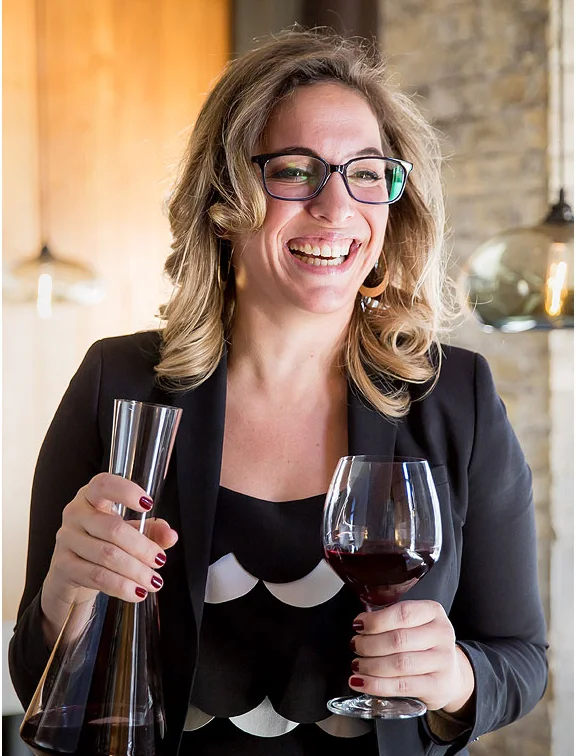
Domaine Pfister (Dahlenheim) - Situated in the town of Dahlenheim, west of Strasbourg, Domaine Pfister dates back to 1780. The family owns 25 acres of vineyards, and specializes in Riesling, while their Cremant d’Alsace is a standout in its category, as is their Pinot Noir. Mélanie Pfister is the eighth generation of her family to make wine.
Tom Hyland: What is the biggest advantage Alsatian wines have in the world of wine? What is their strongest identity?
Mélanie Pfister: Wines of Alsace have a double identity: grape variety, as well as origin/soil. Varietal speaks to everyone, while origin is something special.
Hyland: Tell me about your production. What is your leading wine in terms of quantity?
Pfister: At Domaine Pfister, we produce about 60.000 bottles a year, mainly Riesling (dry!) and Crémant d’Alsace.
Hyland: How much do you export? How many countries do you export your wines to?
Pfister: We export about 30% of our wines, to a dozen countries.
Hyland: Has there been much in the way of climate change over the past 10-15 years? If so, how? What must you do to combat the effects of climate change? Has climate change been helpful in any way?
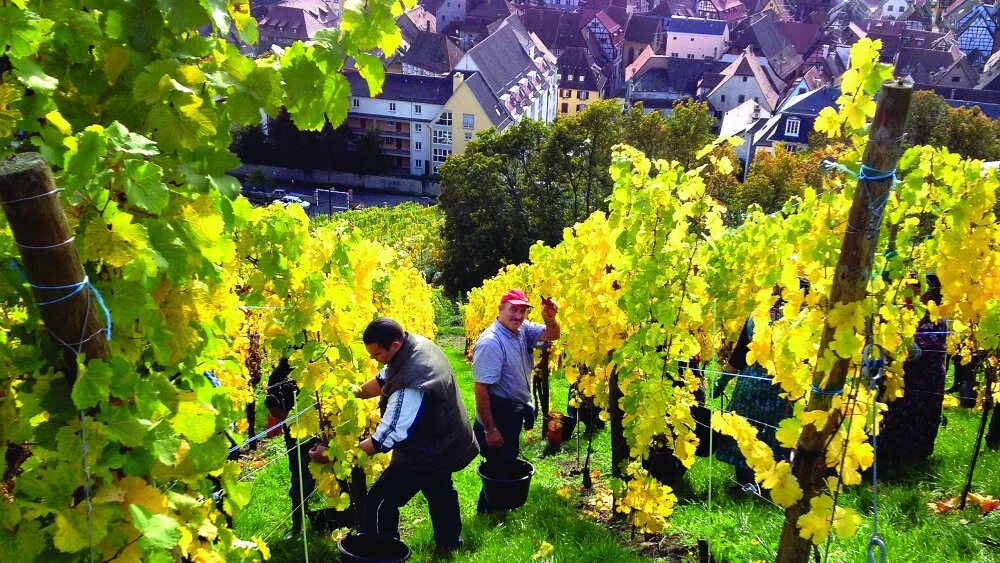
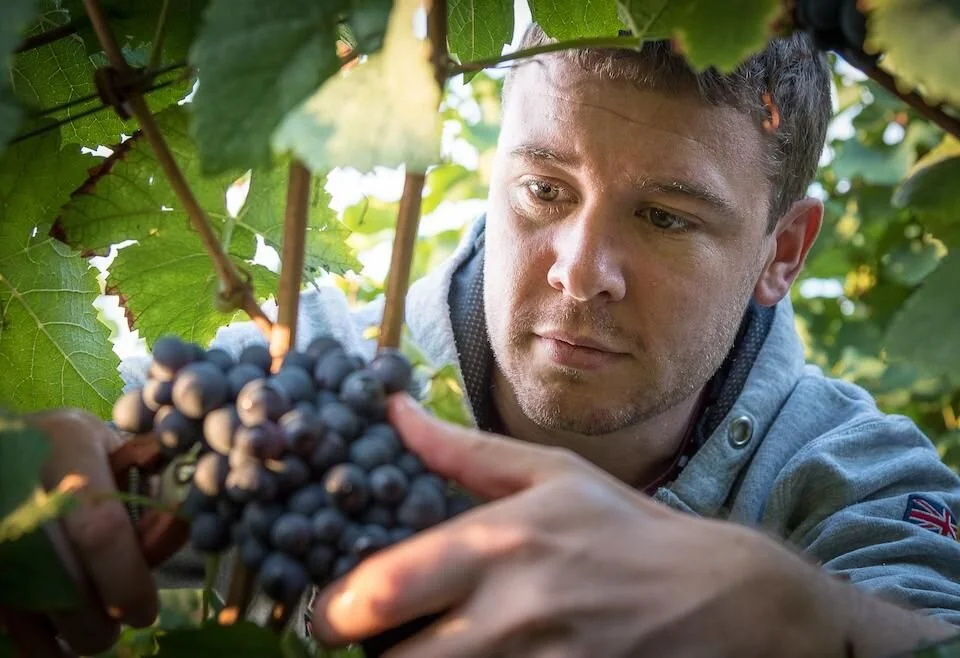
Pfister: Climate change is obvious when we look at the starting date of picking. Last year, in 2018, we began August 22 for the Crémant d’Alsace grapes… when my father was (picking), he used to start in October.
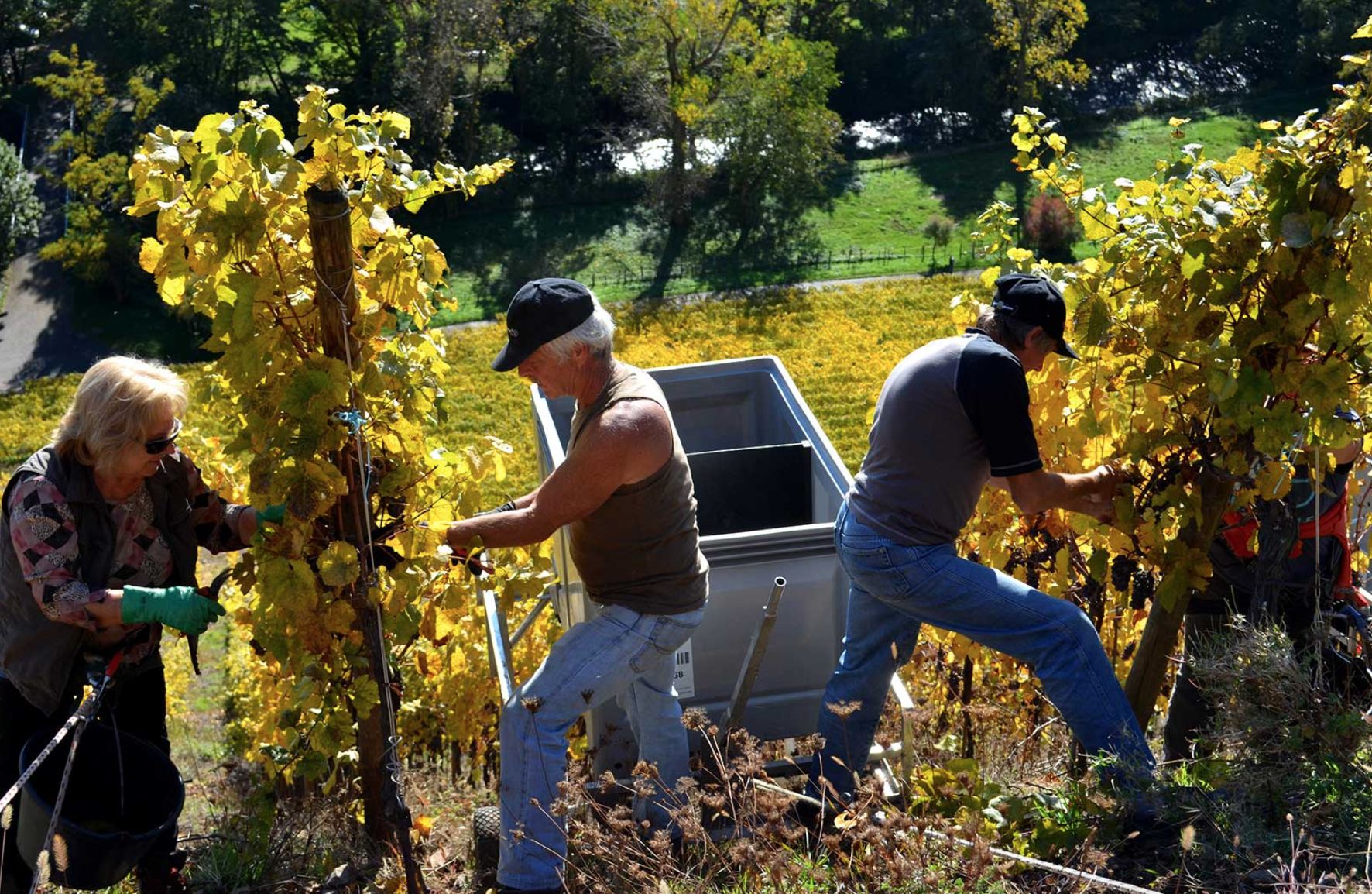
From a general point of view, climate change has been helpful between our two generations: wines are better now than in the past. Grapes are ripe, chaptalisation is not needed anymore. But on the scale you mention (the 10-15 years), I feel that everything is going faster, and that we reach some extremes. To balance climate change, vineyard management must change: yields (not too low), canopy management (not too high). The date of picking has to be really precise: to be reactive, our crew is nowadays much bigger than 20 years ago.
Hyland: How have your wines changed for the better over the past decade? Have you received comments from importers or consumers as to the style of your wines or Alsatian wines in general?
Over the past decade, we experienced very different types of vintages. Cooler ones (2013, 2010, 2008), and other very early and warm (2018, 2017, 2015, 2011…). So it is tough to make conclusions on that short period of time.
The positive thing 10 years after, is that our vines are older: their roots are deeper, stronger, and more able to resist to extreme vintages.
Hyland: Alsatian wines are not as well known by consumers as other wines of France (especially Burgundy and Bordeaux) or as well known as wines from California or some regions of Italy. Why is that? Is the subject of Alsatian wines too confusing to consumers (too many varieties)? Is it because consumers don't know these varieties? What must the producers of Alsace do to change consumer awareness and improve sales? What must they do to have sommeliers show more interest in Alsatian wines?
Alsatian wines deserve more recognition, definitely. Our wines age beautifully, show a lot of depth and nuances, and are part, like Burgundy and Bordeaux, of the “grands vins” from France. Alsace of course can’t be summarized in one style. If people know that it is a white wine region, often they struggle to qualify properly our wines. Of course, we have many varieties, all very different from each other. And we also have different levels of sweetness, which do not appear on the label. Clarifying the dry/semi-dry/semi-sweet/sweet styles is absolutely necessary for understanding and then improving sales. Wines of Alsace already generate more interest in some places, but it is still confidential. Focusing on specific varieties or focusing the promotional efforts in one market like Alsace Rocks campaign in the US are good options.
Notes on current Pfister releases:
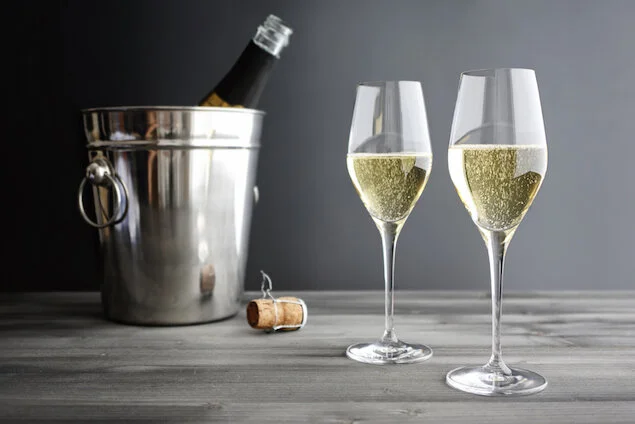
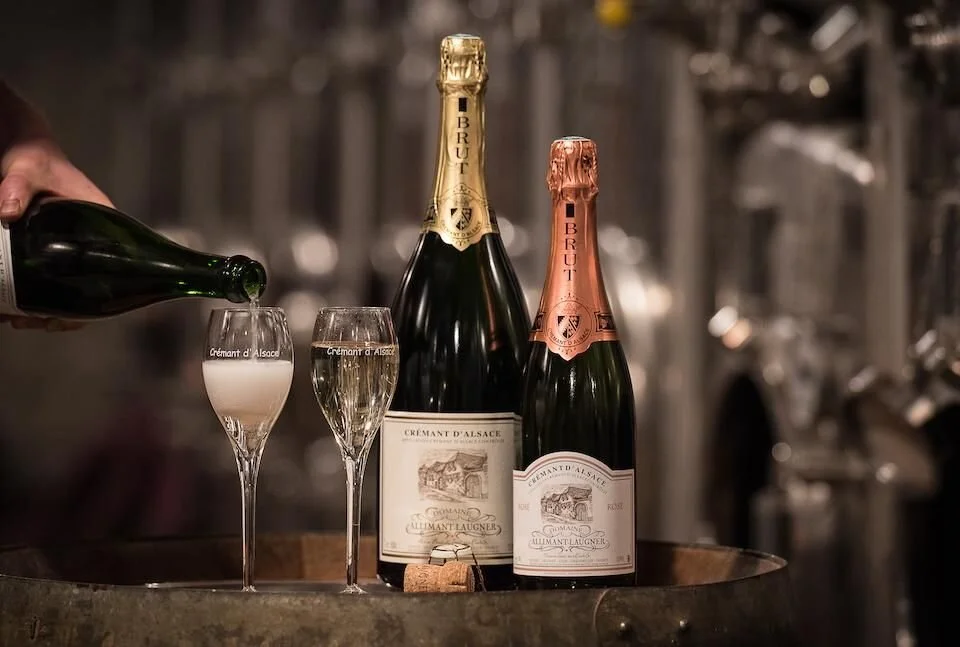
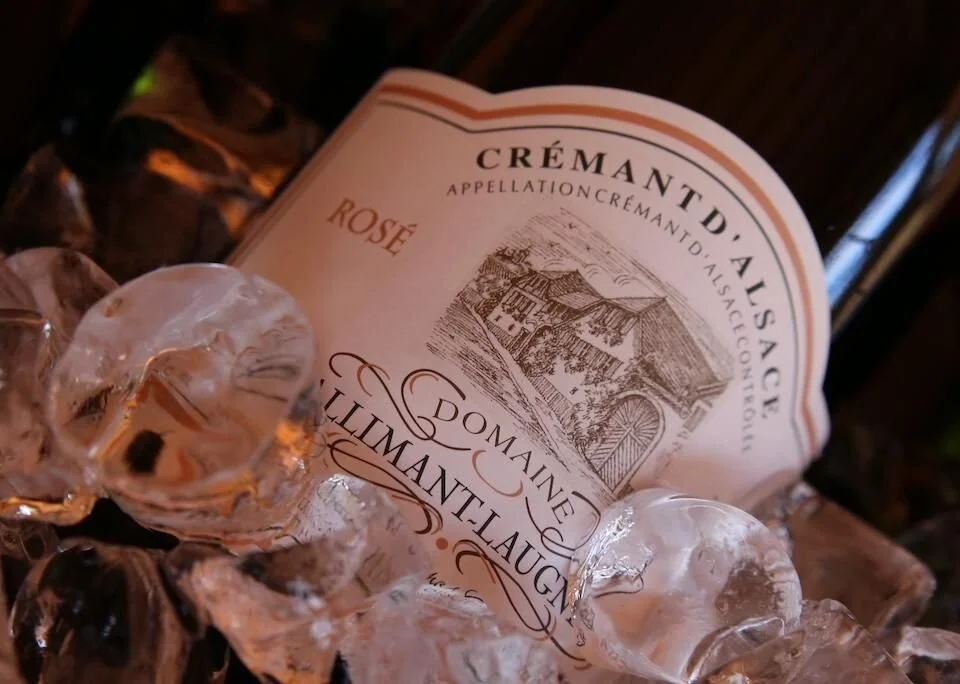
Cremant d'Alsace - A blend of 50% Chardonnay, 25% Pinot Blanc, 25% Auxerrois. 25 months on the lees, which is much more than the typical Cremant d'Alsace. Aromas of citrus and apple peel. Medium-bodied, this is very dry (between 3 and 4 grams dosage, making this an Extra Brut) with a slight bitterness in the finish. Beautiful complexity and good acidity, this is a "serious" Cremant d'Alsace. Enjoy over the next 2-3 years. Excellent
Riesling "Tradition" 2017 - Complex aromas of sour apple, peach, apricot and yellow peony. Medium-full with tart acidity. Very dry, very good persistence. Better in a few years. Peak in 5-7 years. Excellent
Riesling Grand Cru Engelberg 2014 - Aromas of yellow peach, apricot, orange crocus and saffron. Medium-full with a rich mid-palate, soft finish and excellent complexity. Very fine varietal character. Enjoy over the next 5-7 years. Excellent
"Cuvée 8" 2016 - A blend of Riesling, Gewurztraminer, Pinot Gris and Muscat. Lovely floral perfumes - apricots, lilacs and a touch of honey. Off-dry, this is a very appealing wine that offers excellent persistence and complexity and would pair well with a wide range of foods. A true crowd pleaser. Enjoy over the next 3-5 years. Outstanding
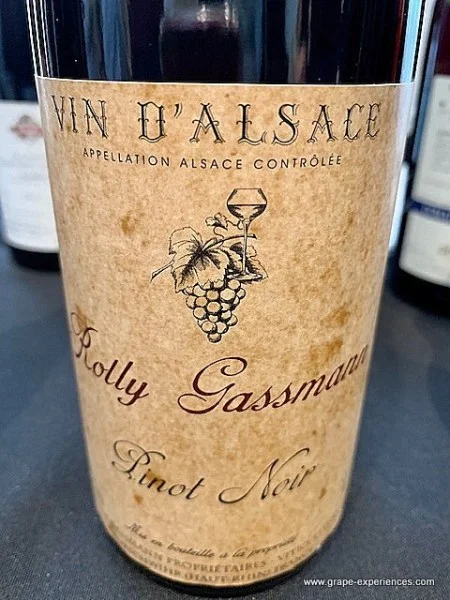
Pinot Noir 2017 - Given that Alsace is predominantly a white wine region, Pinot Noir from here is usually overlooked; this wine may change a lot of minds, however. Lovely pale garnet; inviting aromas of morel cherry, wild strawberry and pink roses. Medium-full with very good concentration. Good acidity, lovely balance and subtle notes of red spice (cardamom, nutmeg) in the finish. Such a charming and delicious wine! This is best enjoyed with a slight chill. Enjoy over the next 3-5 years. Excellent