Wines of Alsace Showcase at Wine Paris Supporting Region’s Export Growth

Export sales of Alsace wines grew by 22.4% in 2021. Around 60 Alsace winegrowers and wineries will exhibit at the Wine Paris trade show from February 14 and 16, reflecting the significant demand for Alsace wines around the world. Visitors to Wine Paris will have no shortage of options when it comes to exploring wines from the region.

Exhibitors from Alsace:

Managed by CIVA (Conseil Interprofessionnel des Vins d’Alsace), the main stand is located in Hall 6 at booths HJ 024 and HJ 070, where 34 exhibitors representing around 40 producers will welcome visitors. 23 additional Alsace exhibitors will be present at other booths throughout the event. Download the complete list of exhibitors here.

Events and tastings in local Paris time 

*Free entry subject to compliance with local COVID-19 regulations

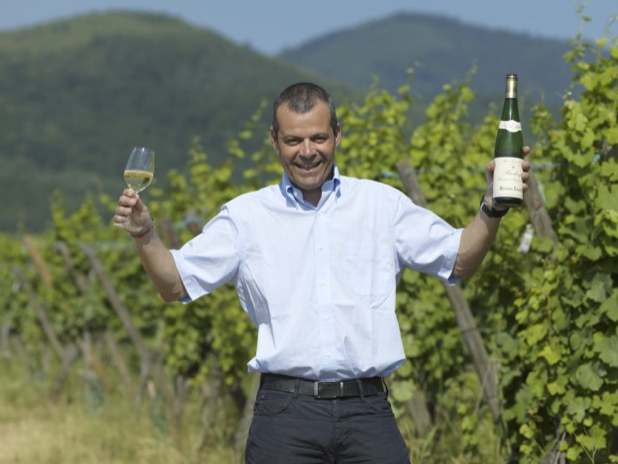
Tuesday, February 15 from 3:30 PM to 4:30 PM: Thierry Fritsch, CIVA Oenologist and Content Marketing Manager, will host a conference called "Addressing Common Misconceptions About Alsace Wines." The session will include a tasting with wines from Alsace exhibitors.

HALL 3 - Salle #1 On! Les Masterclasses

For more information: https://vinexposium-connect.com/newfront/sessions/476

During the fair, Tasting Avenue will highlight a variety of wines from northern France, including 49 Alsace wines from 49 different exhibitors.

HALL 6

For more information: https://vinexposium-connect.com/newfront/sessions/536

Tuesday, February 15 from from 2:30 to 3:30 PM: Philippe Bouvet, CIVA Marketing Director, will speak at Prospects for Innovation in the Wine Industry, a conference organized by Vin & Société with Vinocamp and WineTech.

HALL 4 - On! La Wine Tech Perspectives stand 4AC026

For more information: https://vinexposium-connect.com/newfront/sessions/493

There is no doubt that Wine Paris attendees—whether they are importers, distributors, retailers, sommeliers or restaurateurs—will find a variety of Alsace wines sure to to be a hit with their customers.

Join us Hall 6 Stand HJ24-01

Think You Know Alsace? It Might be Time for Another Look

Photo Credit: Vins d’Alsace

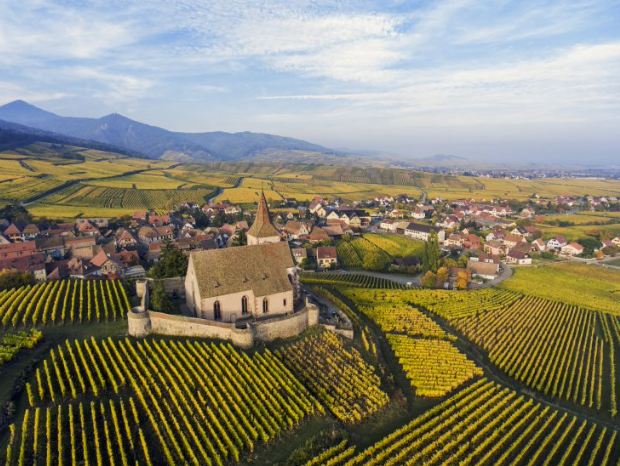
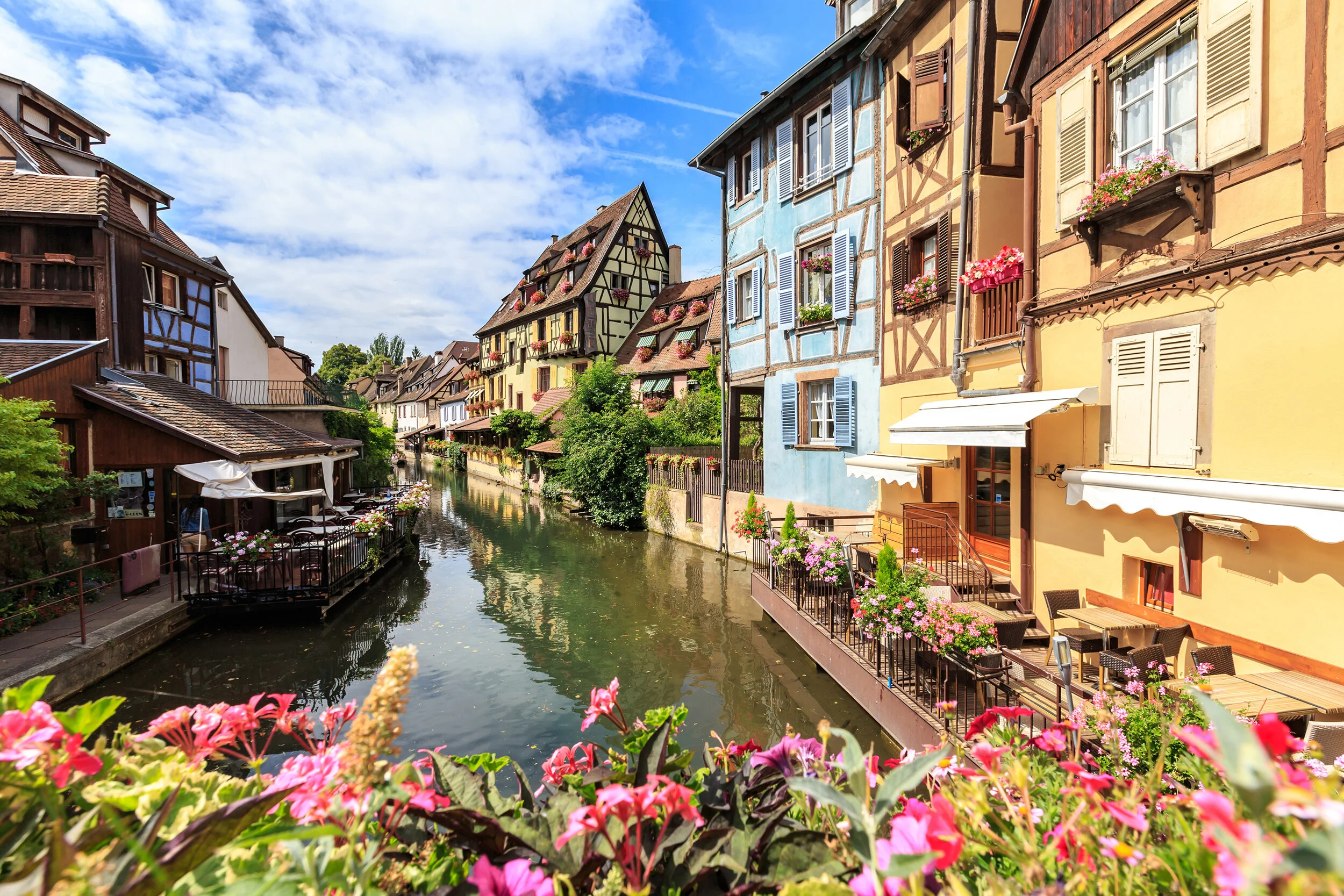
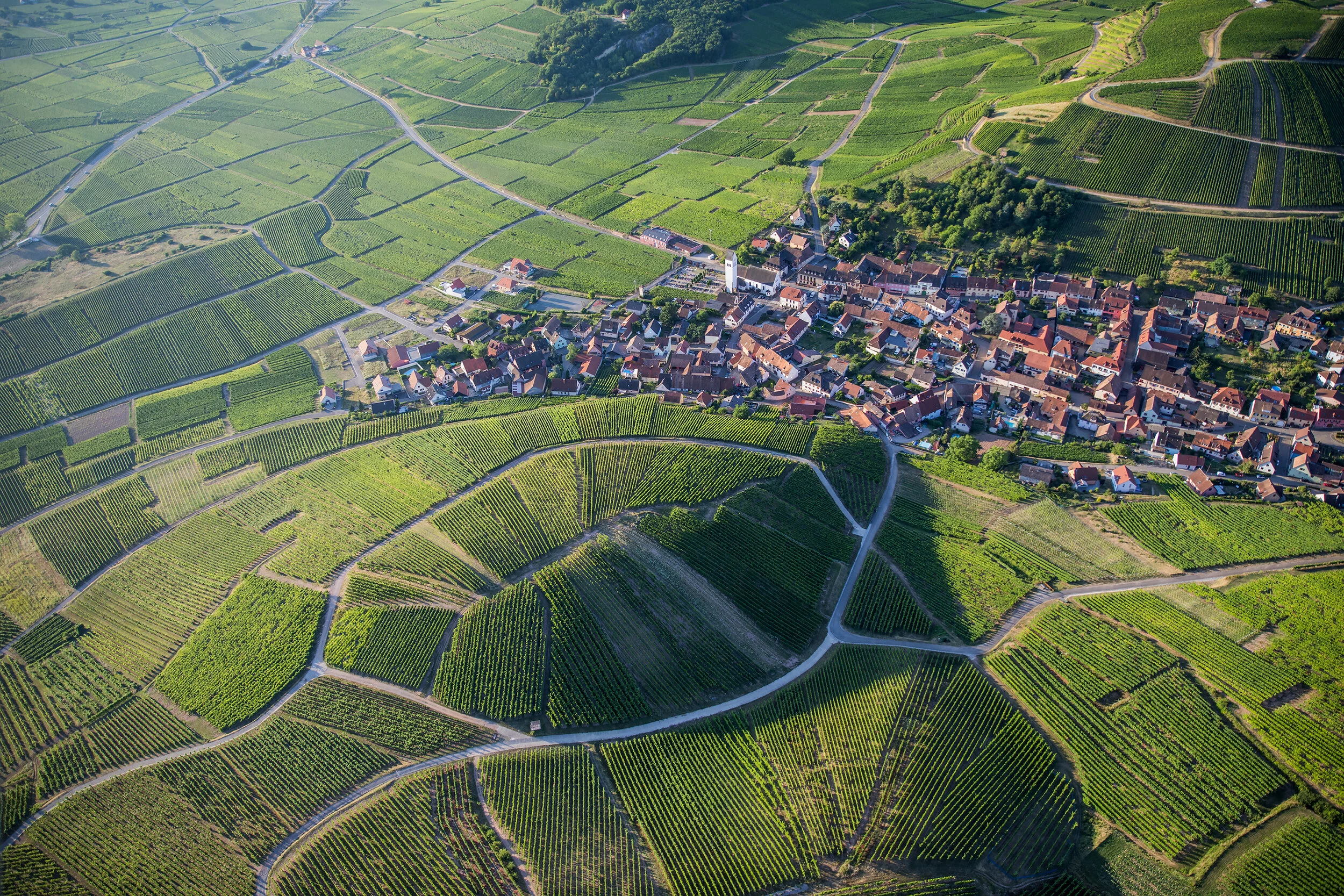
Nearly 250 miles east of Paris along the border of Germany lies a wine region with rich history, fairy-tale charm, and a youthful energy unlike any other. This is Alsace, a small region synonymous with terroir-driven aromatic white wines that have captured the attention (and palates) of wine lovers all over the world. Alsace’s quaint villages are dotted with church steeples, trickling fountains, and traditional half-timbered buildings with flower-filled window boxes—all backed by miles of vines. But scratch beneath the surface and you’ll discover a community of passionate winemakers who are committed to marrying centuries-old tradition with cutting-edge innovation. Here’s what to know.

The Growers & Makers

Georges Lorentz | Photo Credit: Maison Gustave Lorentz

Alsace is home to nearly 4,000 winegrowers. While there are plenty of newcomers to the scene, winemaking in Alsace is largely a family business—some have been making wine for as many as 15 generations. 

For Antoine Barthelmé of Domaine Albert Mann, in Wettolsheim, an emphasis on quality unites young winemakers and the generations before them. “It’s something that is passed down and learned,” he says. 

At the same time, many of these young winemakers are bringing new and diversified experiences to the region, including sustainable techniques in the vineyard and cellar. 

“The young winemakers are well trained in schools and universities and have traveled and worked in vineyards in the U.S., New Zealand, Australia, and beyond,” says Georges Lorentz, of Maison Gustave Lorentz in Bergheim. “The younger generation is more curious and open to innovation, natural wines, and modern packaging. They are not seeking to be the biggest, but rather, to make the wine they want on a more boutique, small-batch scale.”

Producers in Alsace have unique styles and specialties.  But they demonstrate a shared commitment to expressing the full potential of the terroir, to caring for the land, and enjoying the wine in the same manner they have for generations—over meals, with friends and family.

The Land

Photo Credit: Vins d’Alsace

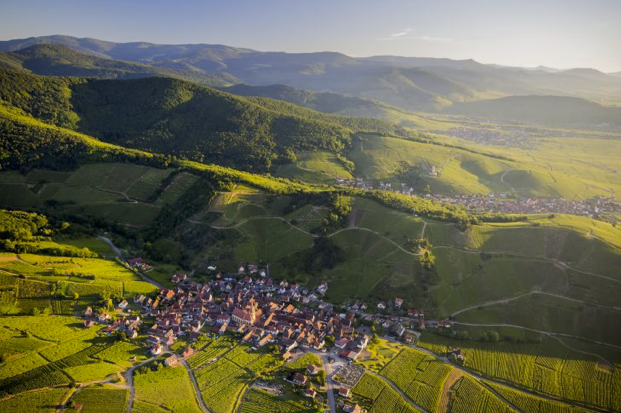
Alsace is protected by the Vosges Mountains, which keep rain and clouds at bay, ensuring sunny summers and dry autumns—ideal conditions for the ripening of grapes. What’s more, the region’s diverse range of soil types—chalk, clay, limestone and granite to sandstone, schist and volcanic rocks—allow viticulturists to match the grape varieties to the soils for which they’re best suited, producing a range of styles from light-bodied and fresh to full-bodied and bold.

“The Alsace vineyard has all geological formations, from the primary era to the quaternary period,” says Barthelmé. “It’s the only one in the world with this unique composition of 13 different mother soils.” 

The vineyards run north to south, with the best quality vineyards situated on steep slopes and boasting east and south-east facing aspects. And with its dry, sunny climate, this northeastern region is also one of the greenest wine-producing areas in France, with one-third of all vineyards certified organic, biodynamic, or in conversion. 

“At a time when consumers are more socially conscious about sustainable practices in the vineyard, many don’t even realize that Alsace was one of the earliest adopters of organic, biodynamic, and sustainable viticultural practices,” says Hai Tran, a Philadelphia-based sommelier. “In fact, France’s first certified biodynamic winery was Alsace’s Eugène Meyer.”

In a country where climate change presents a wave of new challenges for winemakers, Alsace producers are uniquely positioned to navigate an uncertain future.  

Photo Credit: Vins d’Alsace

“Our deep commitment to organic viticulture will help us maintain a high level of biodiversity in our vineyards in the future, as well as the liveliness of the microbiological life in our soils, which affects the level of minerality and complexity,” says Lorentz. “We’re also planting rye and peas to retain water in the soil and prevent drought. And when necessary, we can keep more leaves on the vines to protect against intense sun.”

Adds Etienne-Arnaud Dopff of Dopff Au Moulin, in Riquewihr: “The tradition of respecting the soil is ingrained in Alsace. Preserving the integrity and profile of our different grape varieties are among our main concerns,” he says. He has started a study to determine which grapes are better suited to the soil and the changing climatic conditions. “So we are better prepared for the future and to adapt to changing conditions,” he explains.

Grapes and Wines

Photo Credit: Vins d’Alsace

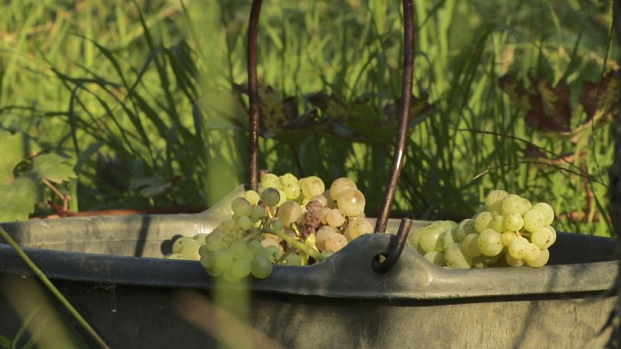
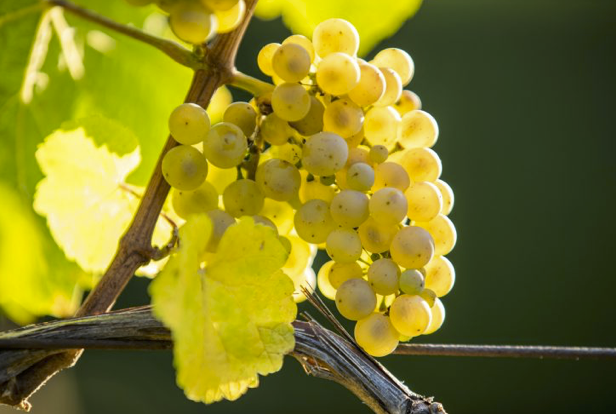
Just as Alsace producers have a deep respect for their soils, they also have a strong reverence for regional grape varieties. Growers and makers here have long turned to specific grape varieties for the way they capture the nuances of the soil and transmit a sense of place. 

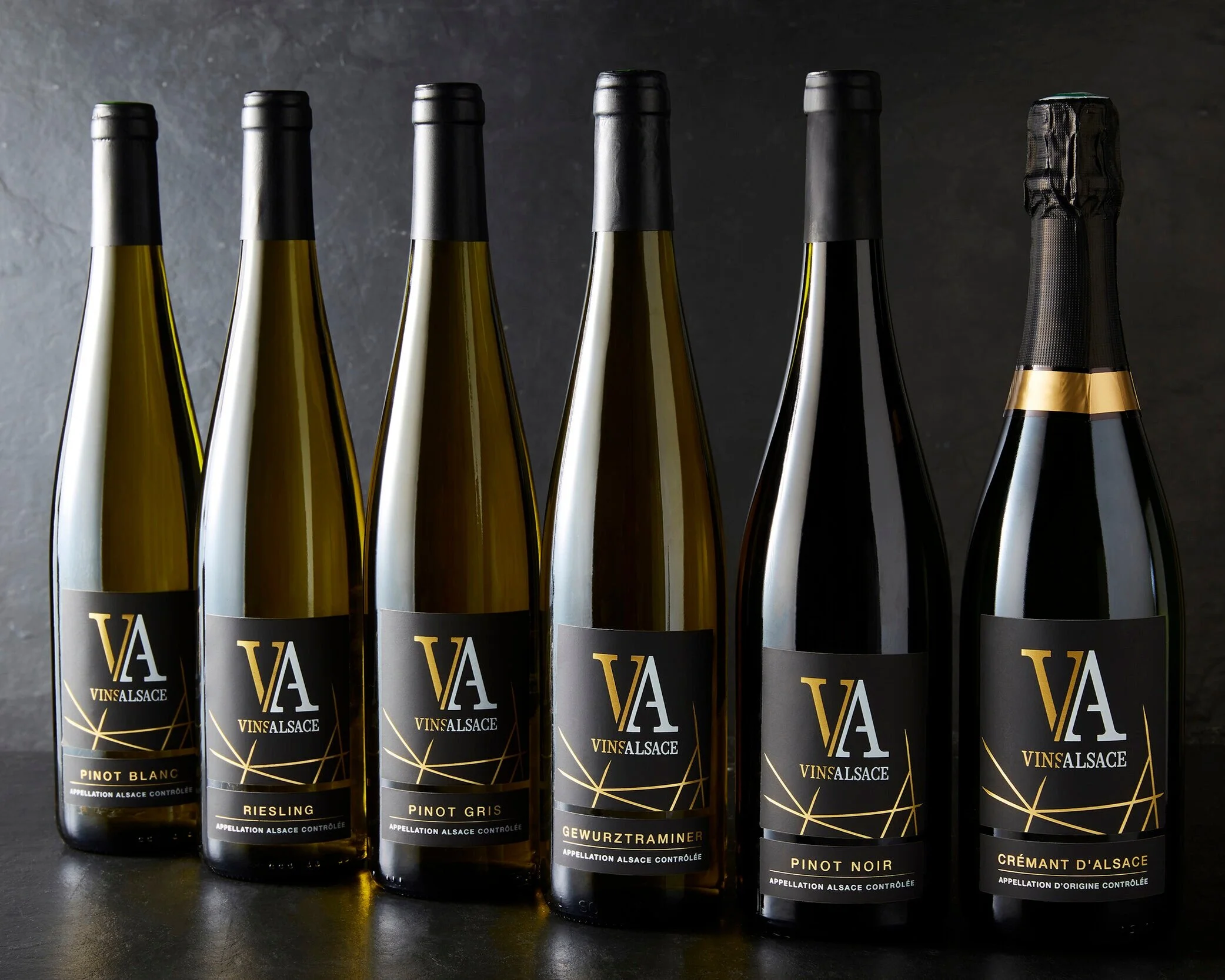
Alsace has an astounding 53 AOCs, including AOC Alsace, AOC Crémant d’Alsace (traditional method sparkling wine), and 51 individual Grand Cru AOCs. Fortunately for the consumer, wines are labeled by grape variety rather than AOC—a unique labeling feature in France—making it easier to navigate the wide variety of wines and styles. 

In Alsace, 90 percent of the wine produced uses white grapes, specifically the seven main varieties: Riesling, Pinot Gris, Pinot Blanc, Gewurztraminer, Muscat, and Sylvaner. Among these grapes, only four are considered “noble” and are allowed in Grand Cru wines—Riesling, Gewurztraminer, Pinot Gris, and Muscat. By and large, these white wines are aromatic, dry, and unoaked, with the exception being the region’s renowned sweeter styles including Vendanges Tardives (late harvest wines) and Sélection de Grains Nobles wines, which result from botrytized grapes.

While white wines may currently steal the show, Pinot Noir is playing a growing role in Alsace winemaking. The grape accounts for around 11 percent of all plantings and is used for still wine and Cremant d’Alsace. The growth in Pinot Noir can be partly attributed to younger winemakers bringing new knowledge from outside regions and increasing experimentation with the variety as a still wine. Additionally, rising temperatures during the growing season have allowed for improved ripening of this cool-climate grape. 

“I believe that the Pinot Noir grape has a brilliant future in Alsace considering the global warming effect and the know-how that producers have developed over the years,” says Lorentz.

Tran agrees: “Due to the region’s climate, I have found that Alsace Pinot Noir tends to showcase an opulent combination of tartness and juiciness, with prominent red fruit underlined with hints of spice, supported with soft textural tannins, and offering mouth-watering acidity,” he says. 

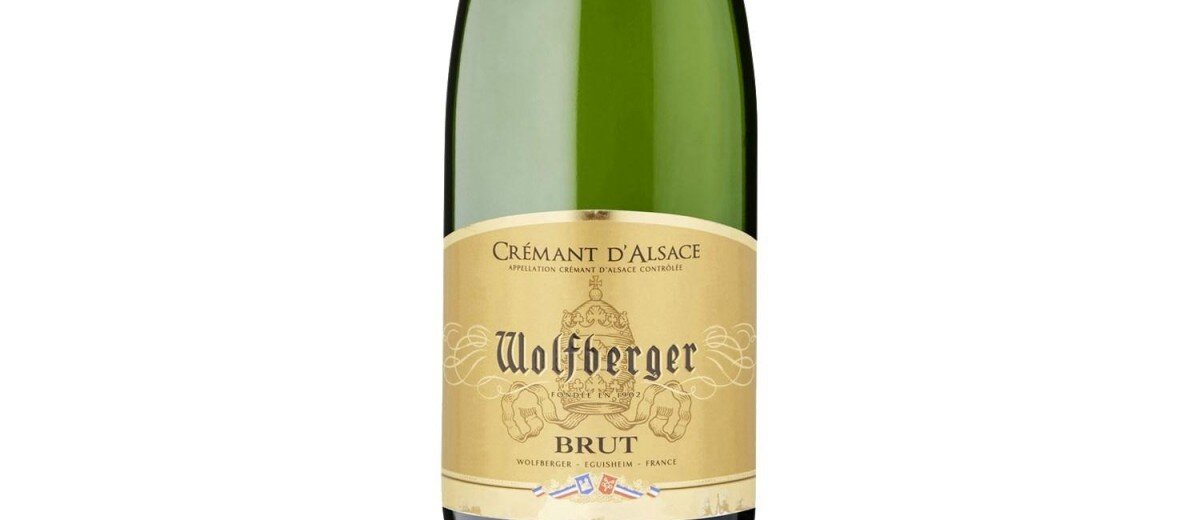
From sweet to dry, the still wines of Alsace are noted for vibrant fruit, freshness, and wonderfully balanced acidity. But there’s yet another standout style from this diverse region—Crémant d’Alsace. This sparkling wine style, produced in the traditional method, results from a range of regional grapes. The majority of blends will feature Pinot Blanc, Pinot Gris, or Riesling; however, Chardonnay is also permitted (solely in the case of Crémant), and all Crémant d’Alsace rosés are 100 percent Pinot Noir.

“One of the best things about Crémant d’Alsace is its value,” says Tran. “As a result, you can enjoy it on all occasions without feeling guilty, and conversely, you can open it for a special occasion and it will still impress.”

Perfect Pairings

Photo Credit: Vins d’Alsace

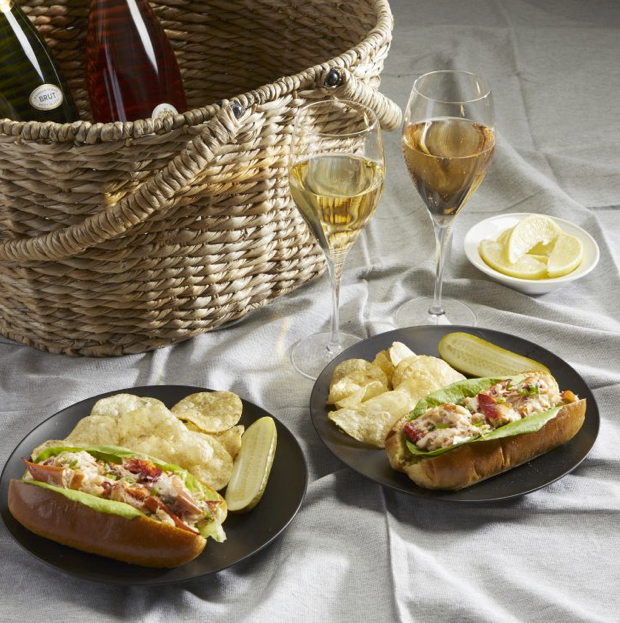
The story of wine in Alsace cannot be told without mentioning the food—specifically its role in complementing and intensifying the flavors in the region’s wines. (There’s a reason Alsace has 30+ Michelin-starred restaurants, more than any other region in France!). 

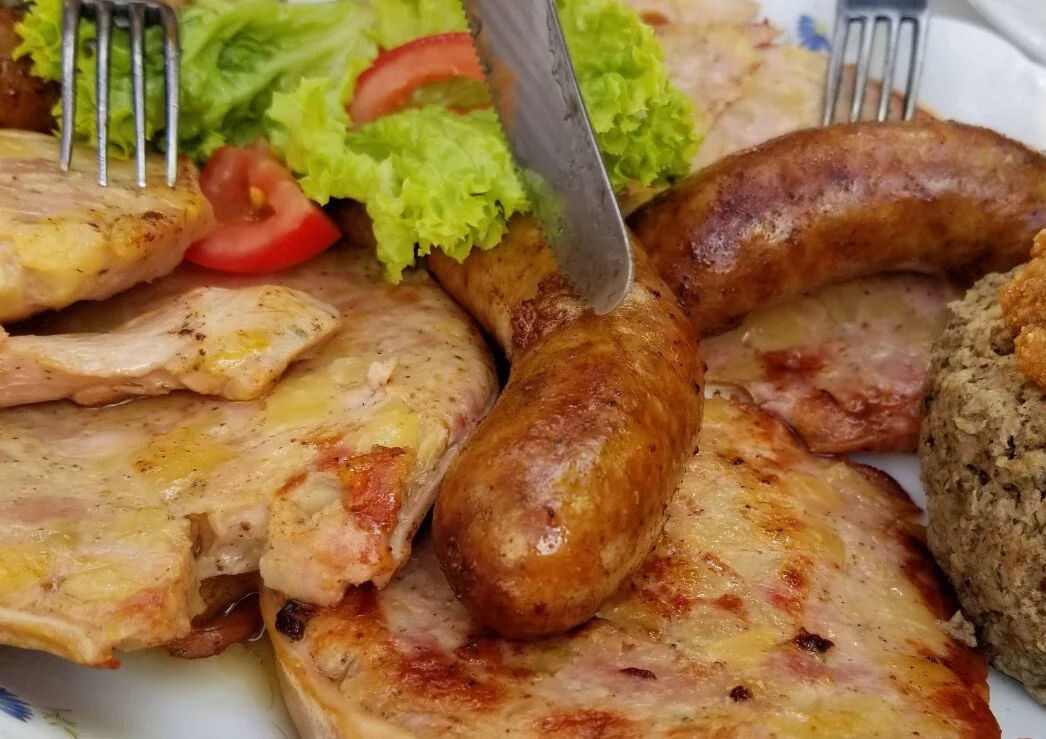
White wines from Alsace are not limited to light fare and seafood. Rather, the spicy, denser styles of Pinot Gris and Gewurztraminer pair well with poultry, sausages, mushroom dishes, veal, and other rich cuisine. Riesling can frame pork or scallops equally well, and the ever-tricky asparagus washes down easily with a local Muscat.

“The versatility of the wines from this region is exceptional and the value is something that wine lovers can really get behind,” said Jenni Wagoner, Group Wine Director for Zuma and Oblix, Global. “I love spicy Thai and an off-dry Gewurztraminer. There is something quite compelling about a dish with a bit of kick and that textured aromatic lychee deliciousness of Gewurztraminer from this region. And I would certainly enjoy a Pinot Noir from Alsace with everything from burgers and robata-grilled beef skewers to a simply grilled salmon filet.”

And while the wines pair beautifully with local specialties—try a meat pie with Pinot Gris, choucroute with Riesling Grand Cru, a baeckeoffa meat stew with Pinot Noir, or tarte flambée with a Pinot Blanc—they also complement a dazzling array of international flavors. 

Because of the wines’ pairability, versatility, and terrific quality for price, many sommeliers find that consumers will ask for them time and time again. “Alsace is an exciting playground for winegrowers and winemakers,” says Dopff, “but it’s just as exciting for consumers.”

VINTNER SELECTIONS

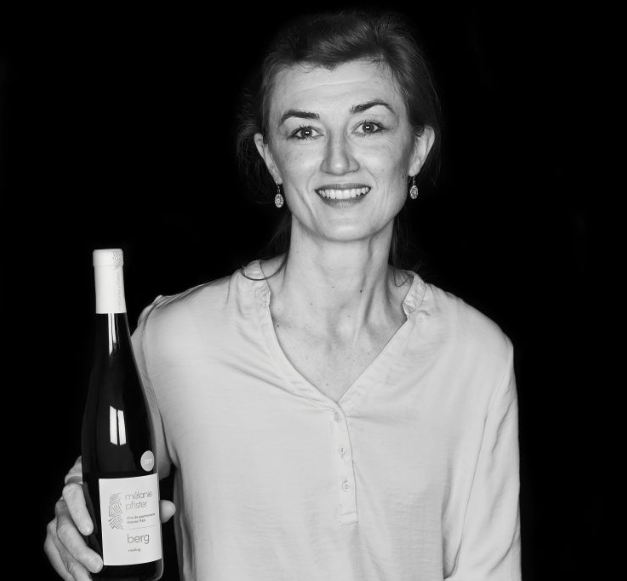
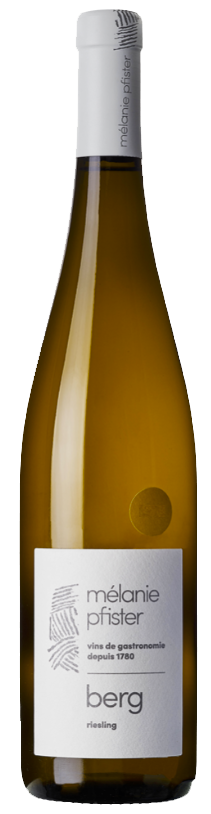
Domaine Mélanie Pfister ‘Berg’ Riesling 2019

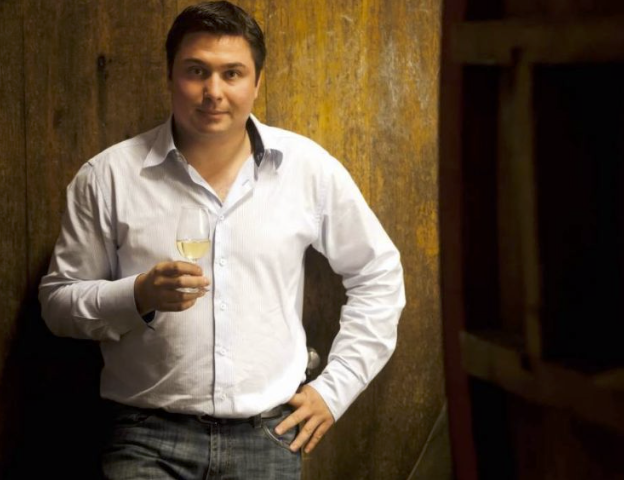
Mélanie Pfister| Photo Credit: Domaine Mélanie Pfister

WINEMAKER NOTES

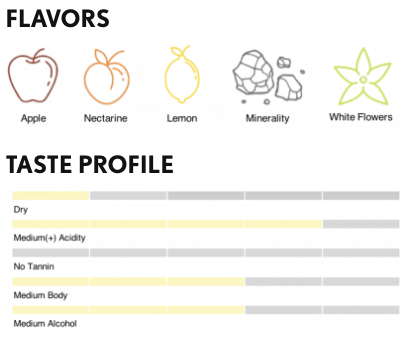
The acronym Berg comes from Auf dem Berg and Silberberg, two neighboring hillside vineyards. The vineyard soils are a variation of France’s famous argile-calcaire mix, or clay-limestone mix. The clay gives the Riesling body while the calcareous limestone gives finesse, focus and length. The Pfisters farm six plots of Riesling to make the Berg cuvée, totaling 3.18 acres. 

This wine is made and aged in tank on its fine lees for a minimum of one year. Fermented bone dry. 

Production averages 900 cases annually.

ABOUT DOMAINE MÉLANIE PFISTER

Domaine Pfister began life in 1780 during our Revolutionary War. That seems a long time ago, until you learn that Pfister’s village of Dahlenheim was favorably noted for wine production in the distant year of 884. A written record has survived, detailing how the village supplied wine to the Abbey of Saint Michel de Honan during that era. Dahlenheim was an important center of wine production throughout the Middle Ages as well. It’s located due west of Strasbourg in the northern reaches of the Bas Rhin (legally, a separate department from the Haut Rhin, and meaning, simply, lower down the Rhine River—but keep in mind that the Rhine flows north to the Baltic).

This is Riesling country. Up here the Vosges Mountains are not nearly so toweringly majestic, nor, correspondingly, so protective. Dahlenheim itself is nestled in the flank of the great Engelberg hill, due west of Strasbourg, and has no vines on the Rhine plain. Its vineyards are not as shielded from cold weather as further south in the Haut Rhin, and this cooler climate, along with the abundance of hillsides and of limestone and less sandy soils, favors Riesling and makes for particularly elegant, mineral renditions of the wine. Mélanie Pfister makes two Rieslings, both entirely dry. Berg, the first, comes from the limestone hillside adjacent to Engelberg, making for a wine that is tantalizingly full, rich, and piercing in its drive. The other one is from the grand cru of Engelberg, a wine whose endless fields of white flowers and orchard fruits, to say nothing of its electric minerality, makes you sit up straight.

If you like wines marked above all by purity of fruit, elegance, and character (to say nothing of reasonable pricing), you have come to the right place. Mélanie and her father farm 43 parcels totaling ten hectares (twenty-five acres) of vines, twenty-five percent of which is in Riesling. Mélanie “officially” took over from her father with the 2006 vintage, but dad is far from retiring. He very proudly has got his daughter’s back and works the vines as hard as he ever did. He just no longer sweats the cellar work.

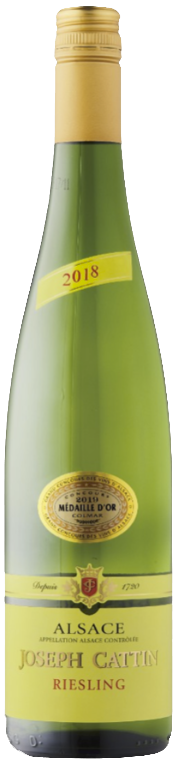
Joseph Cattin Riesling 2018

Jacques Cattin Junior| Photo Credit: Joseph Cattin

WINEMAKER NOTES

Limited yields. Guyot pruning, with 5 500 vines per ha on average. Sustainable farming practices to preserve the richness of our terroirs.

Gentle, whole-cluster pressing in stainless-steel tanks. Aged for a minimum of 6 months in old oak barrels.

An exceptionally dry Riesling with crisp citrus aromas. Ideally paired with raw fish and fresh seafood.

ABOUT JOSEPH CATTIN

the year 1720. The family settled in the village of Voegtlinshoffen, south of the Alsace wine capital of Colmar, where they immediately planted vines and began the viticultural legacy that continues today. The domaine is named for Joseph Cattin, who became renowned for his pioneering work in grafting that is widely credited for saving some of the region’s best vineyards from phylloxera.

Today, the estate is run by Jacques and Jean-Marie Cattin, as well as the latest generation, Jacques Jr. The family owns 160 acres of vines planted to all traditional Alsace varietals, and have two separate wineries — one of which is dedicated solely to the production of their incredible Crémant wines.

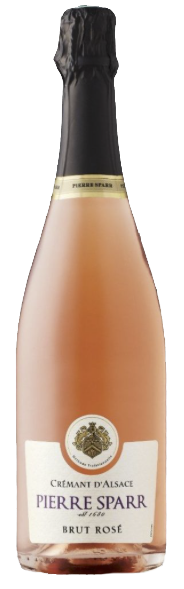
Pierre Sparr Cremant d’Alsace Rosé

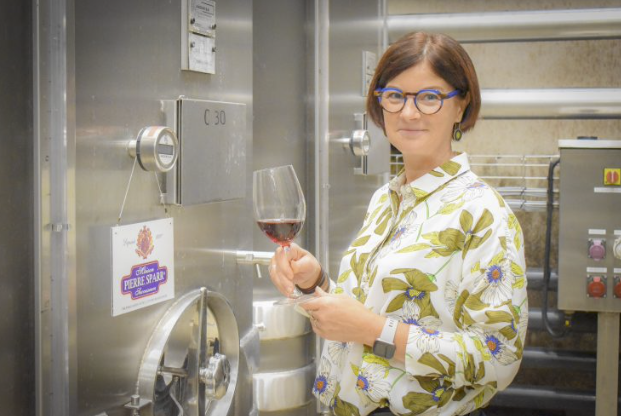
Corinne Perez, Cellar Master at Pierre Sparr

WINEMAKER NOTES

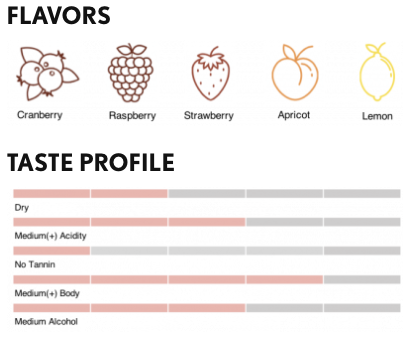
Certified organic and hand-harvested. First fermentation occurs in temperature-controlled, stainless steel vats. Six months later, still wines are blended to achieve the distinctive flavor profile of the rosé. Blended wine is then bottled with a specific yeast added to initiate the second fermentation in bottle. The wine rests on the lees a minimum of 18 months prior to disgorgement. Finally, the dosage is added to provide the particular brut style of this sparkling wine.

ABOUT MAISON PIERRE SPARR

The origin of the winemaking family Sparr goes back to 1680, as Jean Sparr was born. Under the influence of François Pierre Sparr in 1785 the vineyards were increased. Generations later, Charles Sparr developed the business, increasing the activities on the area of trade and regarding wine ageing. His son Pierre took the succession at the age of 20. His distinct sense for business made him a pioneer of the “estate bottling” of wines in Alsace. His motto was: “invest, progress and maintain”.

During WWII Sigolsheim and its vineyards have been completely destroyed. With a lot of courage and obstinacy Pierre Sparr rebuilt one of Alsace’s most beautiful and prestigious Domaines. His sons René and Charles contributed to the enlargement of the vineyards and the development of the European markets which gave a new dimension to the company. Nowadays, with the help of the 9th generation, the aim is still to perpetuate tradition, passion and emotion.

ABOUT CORINNE PEREZ

Corinne Perez was born in Lyon, a well- known city located north of the Rhône valley, between Beaujolais and Crozes Hermitage vineyards. During her Agriculture studies in Lyon, she was introduced to winegrowing and winemaking as a student harvest intern in Beaujolais. Corinne fell in love with wine and winemaking and pursued her new passion in Dijon where she earned her DNO degree (oenologist national diploma) in 1994. To diversify her experience and palate, Corinne worked harvest in both Oregon and Australia. While her initial work was with full-bodied red wines, her first consulting job in Alsace exposed her to the world of white wines.

Corinne was seduced by the finesse, elegance and purity of white wines, whose vinification leaves no room for error. Since 2003, she has been a winemaker in Alsace and she was appointed head winemaker at Pierre Sparr at the start of 2020. Corinne thrives on the diverse aspects of being a winemaker, from collaborating with the cellar team, to blending, to monitoring vine and grape development in the summer and early fall, and even the endless analysis that is an integral part of winemaking.

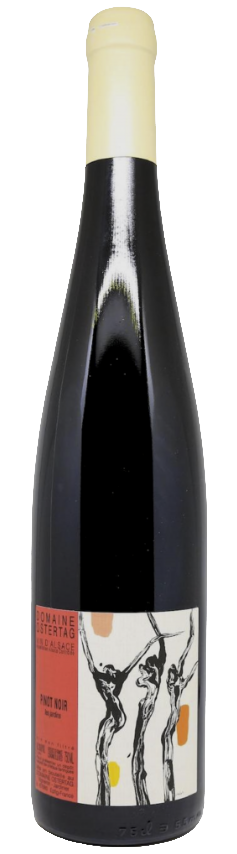
Domaine Ostertag Pinot Noir Les Jardins 2017

Arthur Ostertag | Photo Credit: Domaine Ostertag

WINEMAKER NOTES

Certified organic and biodynamic. All vineyard work and harvesting is done by hand and uses no chemical fertilizers, herbicides, or pesticides. Ages in stainless steel tanks for 9 months.

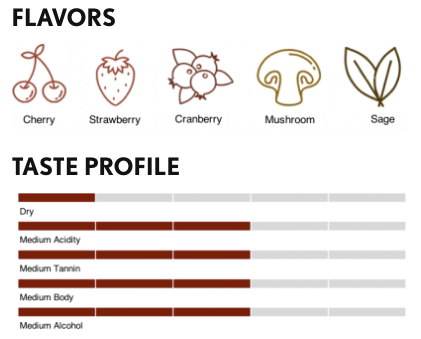
Offers vibrant fruitiness that is achieved with soft vinification and brief élevage in stainless steel. This is an absolutely delicious Pinot Noir to enjoy.

ABOUT DOMAINE OSTERTAG

After training in Burgundy, winemaker André Ostertag returned to his family domaine in Epfig and established Domaine Ostertag in 1966. He lowered yields considerably and introduced viticultural and vinification techniques he learned in other regions. In 1997, André began practicing biodynamic viticulture on his 35 acres of vineyards, including his flagship parcel in the Grand Cru Muenchberg. André produces three ranges of wines: the Vins de Fruit, which are expressive of the grape variety; Vins de Pierre, which showcase the terroir; and the Vins de Temps, which highlight overripeness or noble rot and can only come about through waiting. In addition to the Grand Cru Muenchberg, André also produces wines from four lieux- dits: Clos Mathis, Fronholz, Heissenberg and Zellberg.

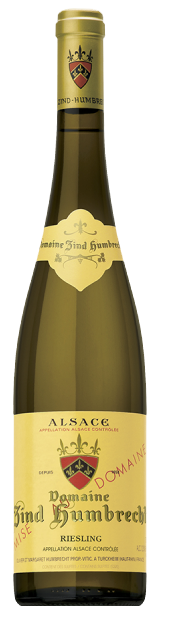
Domaine Zind-Humbrecht Riesling 2018

Photo Credit: Domaine Zind-Humbrecht

WINEMAKER NOTES

Zind-Humbrecht draws from its palette of impressive vineyards to compose this wine. A dedication to terroir guides all winemaking practices, which include extended pressing cycles, abbreviated clarification cycles (to retain natural yeasts and proteins in the must), natural malolactic fermentation and extended aging on the lees. The wine is aged 8 months in 40-year-old French barrels.

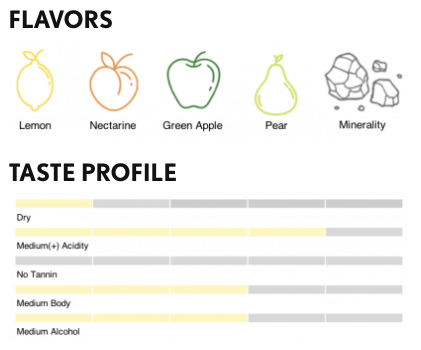
A light, fully dry style of Riesling. The palate has a nice mouthfeel, with slightly lower acidity than usual, but the lower alcohol level keeps an elegant, fresh structure.

ABOUT ZIND-HUMBRECHT

With an unbroken winemaking lineage in Alsace since 1620, Domaine Zind-Humbrecht came by its current name in 1959 when Leonard Humbrecht married Genevieve Zind. Leonard was able to expand the winery’s collection of Grands Crus and other high quality vineyards, and since then, one of the hallmarks of every Zind- Humbrecht wine has been its overriding sense of terroir: the taste of the vineyard is always clear and unmistakable. The estate is managed by Olivier Humbrecht, one of the world’s only winemakers to attain MW status. His passion for Alsace wines and biodynamic farming translates into a portfolio of wines recognizable for their purity, intensity and faithful expression of each individual vineyard site.

Our 10 Most Collectible Pinot Noirs of 2020

For some collectors, Pinot Noir is the alpha and the omega of wine. Undoubtedly one of the most sought-after red wines, is praised for its soft texture, bright fruit and beguiling spicy and earthy notes. While many examples of Pinot display this textural richness upon release, some require a bit more time in bottle to show their best.

While Burgundy is the spiritual home of Pinot, with the Côte de Nuits producing some of the most iconic bottlings in the world, the grape has also taken root to great effect in Alsace and Germany. And in the New World, California, Oregon and New Zealand are the shining stars of Pinot Noir, with some examples harkening back to French roots but still maintaining their own unique style.

Pinot-philes, this list is for you. Taken from our Top 100 Cellar Selection list of 2020, here are the top ten Pinot Noirs that deserve a spot in your cellar.

René Muré 2018 V Pinot Noir (Alsace); $60, 94 points. The cherry nose of this wine is made even more appetizing and aromatic by the rare presence of pure raspberry notes. Purity indeed is the watchword on the sinuous, slender but concentrated palate with its incisive freshness and insistent aromatics. The power of this elegant and seductive wine lies entirely in its understatement. Gargouille Collection. Cellar Selection. —A.K.

White Wines Under $30 That Will Keep You Warmer Than An Ugly Sweater

There’s this notion about white wine, that it’s best enjoyed in the summer. When it’s warm and the sun is beating down. We don’t know why this connotation exists or how it came about, but we do know that it’s not entirely true.

To help get you in the mood for a few fall and winter white wines, we’ve rounded up a list of the 10 best bottles of white wine to drink right now and on the cold nights to come. The bottles listed below are all under $30, because enjoying quality wine doesn’t necessarily mean you need to break the bank. These selections are also widely available and can be found in retail shops across the country, or you can have them delivered straight to your door by clicking the linked prices.

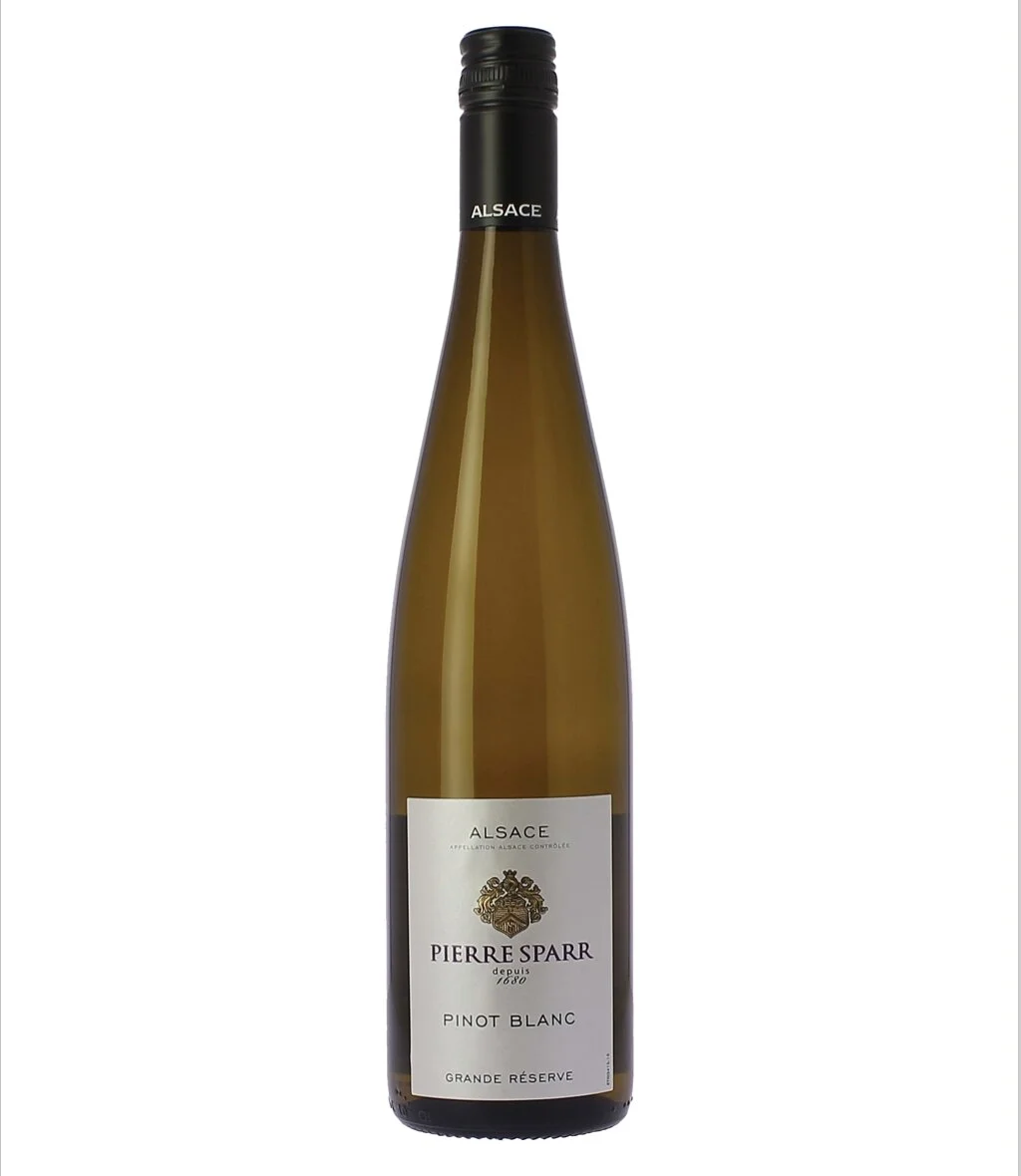
Pierre Sparr Pinot Blanc 2018

ABV: 12.5%
Average Price: $17

The Wine:

Made from 100 percent Pinot Gris, grown in the Alsace region of France, this wine is a staple from a family that’s practiced viticulture since 1680. The devotion, passion, and tending of the land and grapes has been passed down from generation to generation, and you can almost taste the heritage in every glass.

Tasting Notes:

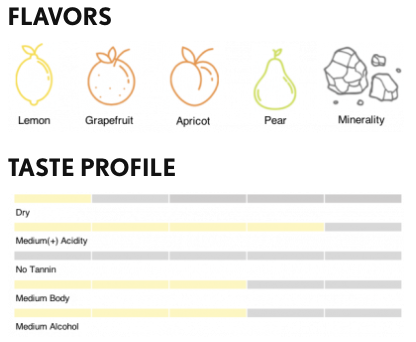
This is a fresh and delicate wine that subtly displays aromas of apricot and nectar. Pear is the most dominant feature, although you get a sense of Meyer lemon lending to the mineral structure of the wine. Those expressions combined create an unexpected creaminess. Not too dense, not too bright—a perfect balance of crunchy and soft stone fruit giving way to the right amount of tension in the finish.

Bottom Line:

Take this bottle out of the fridge 15 minutes before you plan to crack it open and let the fresh delicacy of the wine wrap around your tastebuds like a fine-knit quilt.


Pierre-Sparr-Pinot-Blanc-2018.jpg

Women in Wine: Celebrating the Next Generation

Four Dynamic Women Winemakers

Here are four women in wine to celebrate, including Catena, who are role models of female leadership, taking their family-owned wineries to new heights. From management and marketing to the making of the wine, these women do it all.

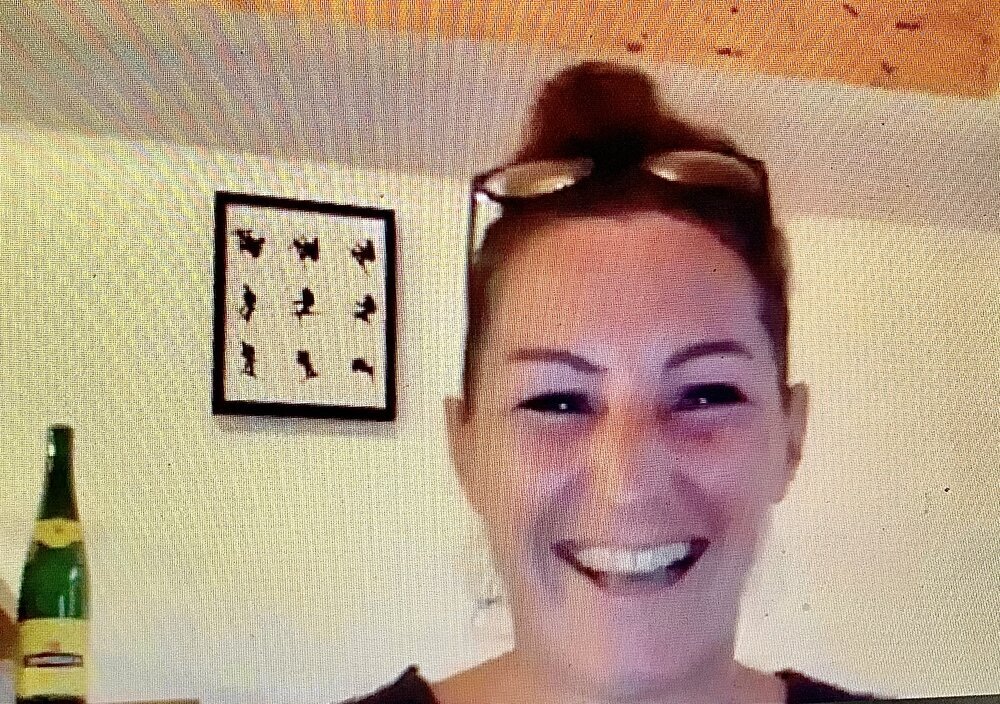
Anne Trimbach Zooming in from Alsace, France.

Anne Trimbach Zooming in from Alsace, France.


Anne Trimbach — Maison Trimbach, Alsace, France

Anne is a 13th generation winemaker at her family’s iconic Alsace winery. When Anne told her family she wanted to work in the business, her great-uncle said, “Are you sure? But you’re a woman! One day you’ll have children and how will you manage?” 

Anne, who now has a four year-old daughter, says she had to prove that she was up for the job. And she has done that for 20 years now, traveling the world to promote the family’s wines, as well as building the company’s website and handling all of its social media.

IMG_4639.jpeg

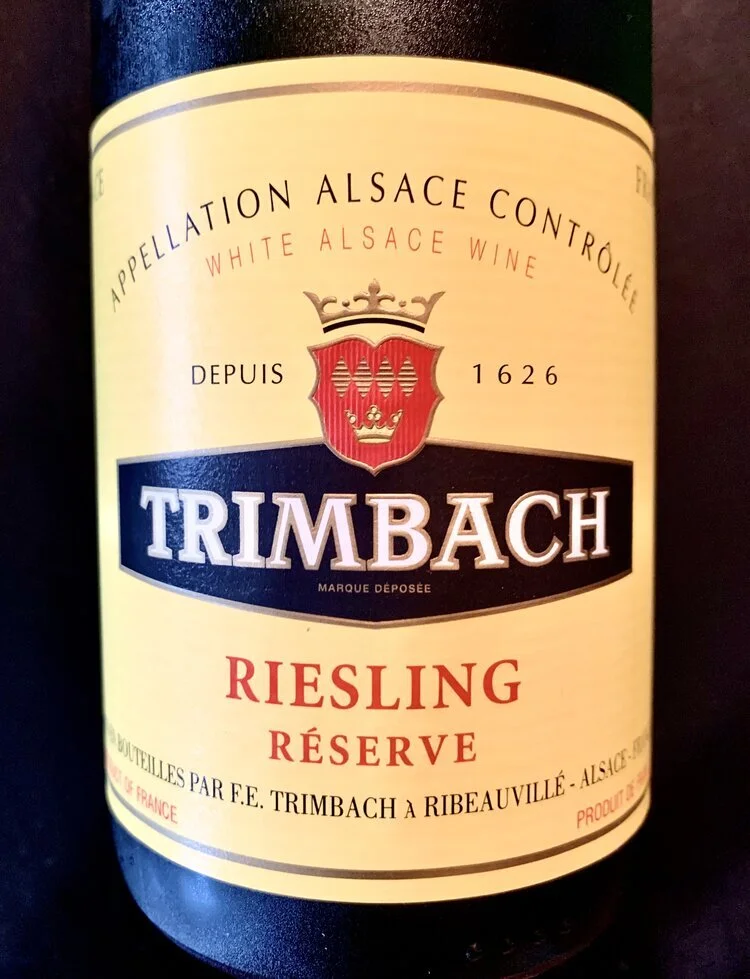
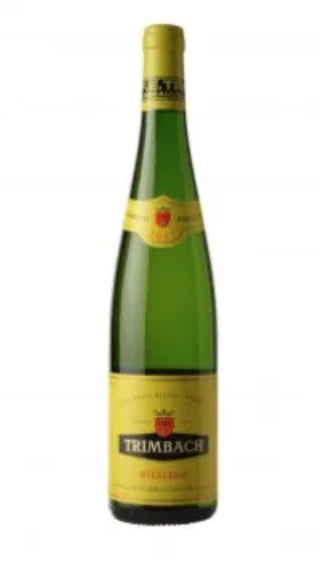
Trimbach wine to try: Trimbach 2017 Reserve Riesling (SRP $34.99). Trimbach is especially noted for its high-end, dry Riesling. The 2017 Reserve, a particularly great year, was awarded 93 points by Wine Spectator. The wine has a great balance between ripeness and acidity, while tasting of green apples, mango, pineapple and lime. Enjoy its refreshing crispness with everything from cheeses, salads, and fish (sautéed, grilled, in a sauce, or raw as sushi), to chicken, veal and pork dishes. The wine goes especially well with spicy Asian dishes.

Alsace Rocks With Rieslings – 3 Great Rieslings To Drink Now

kaysersberg-4440800_1920-e1604019124163.jpg

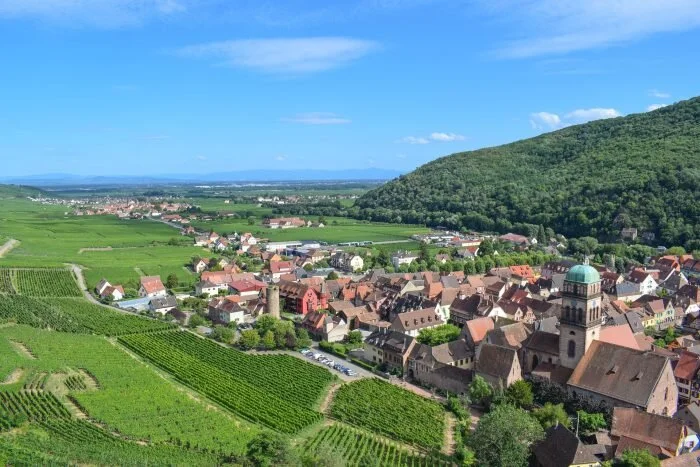
Alsace is located in the northeastern corner of France. Its juxtaposition makes it a fascinating study on geography and history, as the region has switched hands between France and Germany several times.  The region makes aromatic and expressive Rieslings from passionate winemakers that have been making wines for centuries. The wines are exceptionally unique as Alsace is one of the most geologically diverse regions in the world.

Alsace Rocks

Alsace is located in between the Vosges Mountains and the Rhine River.  The mountains protect the region from ocean influences like rain and wind, making Alsace one of the driest in France. The climate is continental with warm dry summers and cold winters.  In between the mountain and the river is the Alsatian Wine Route, one of the most famous and oldest in France.

Alsace blends the best of France and Germany into one unique wine region.  It is a picturesque region with rolling hills and charming villages of colorful timber homes that remind you of scenes from Hansel and Gretel. Along the wine route, you find many beautiful vineyards and restaurants.  The wine and gastronomy of Alsace is a wonderful fusion of French and Germanic influences.

The geology and soils of Alsace are one of the most diverse in the world. There are 13 distinct soil types from 8 mother rocks, allowing winemakers the opportunity to pick the type of grape that is best suited for its soil type.  This results in wines that are complex and concentrated. Often times as I sip Alsatian wines, I feel as if I am drinking rocks(and I mean that in the most positive way), as the minerality of the soil types is very prominent in the wines.  The wines are a clear expression of their terroir and a clear expression of its soils.

Alsace Rieslings

Riesling is the darling of Alsace.  The wines are rarely ever oaked and are dry, crisp and extremely food-friendly.  What many Riesling drinkers don’t realize is that most Alsatian Rieslings are dry.  Some do have residual sugar, but the sugar is typically balanced with nice zesty acidity.

Alsace Rieslings offer a quality that is exceptional with great value in terms of price.  Alsace Rieslings are adored among wine professionals. These wines are versatile and food-friendly and don’t require aging, though some grand cru Rieslings do well with a bit of cellaring.

Pairing Alsatian Rieslings with Food

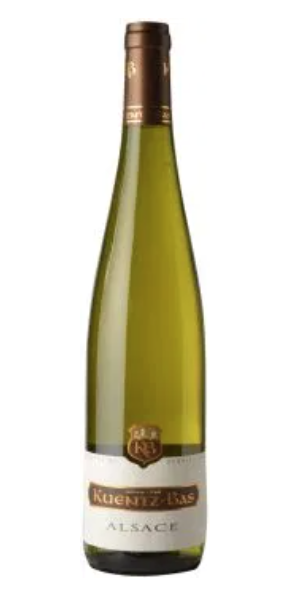
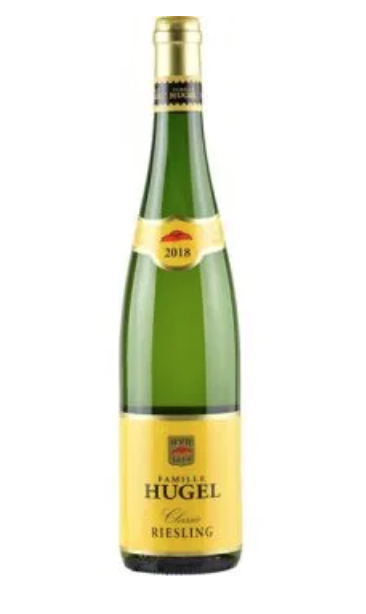
There are no borders when it comes to gastronomy and wine pairing with Alsace Rieslings. Local Alsatian fare along with Japanese, Indian, Korean, Chinese, Mediterranean, and even Mexican are possible cuisines to pair with these wines.  My favorite pairing is sushi with the Famille Hugel Classic Riesling and fish tacos with the Trimbach Riesling.   If you want a more traditional local pairing, try the  Kuentz-Bas Riesling with flammekueche (tarte flambée).  Flammekueche is the local Alsace version of pizza that is made with a thin pastry, smothered with crème fraîche, onions and a sprinkling of diced bacon,

Grab your tall slender bottle of Alsace Rieslings and your favorite food pairing.   Riesling as an aperitif is also perfect when paired with the Alsace Rocks Official Playlist.

Three Alsace Rieslings To Drink Now

Famille Hugel Classic Riesling 2018

This Riesling is the Famille Hugel’s signature wine. This dry Riesling stands out for its finesse and frankness and is the ideal partner to fish and seafood thanks to its wonderful balance and elegance. Dry and elegant, it expresses itself best on their steepest slopes with the most complex minerality.

Kuentz-Bas Riesling 2018

This Riesling shows great varietal character and regional typicity. Bone-dry on the palate, it features intense, clean aromas with excellent minerality. It showcases what well-made Riesling from Alsace can taste like. While it makes for a delicious aperitif, this wine truly shines at the table.  You’ll find it marries with anything from traditional Alsatian fare to more creative and exotic dishes, with wonderful results.

Trimbach Riesling 2017

The Trimbach’s have a purist vision. For three centuries the family has produced wines that are structured, longlived, fruity, elegant and balanced. There is a beautiful straw color with green edges in the glass.  There are fine mineral fragrances of ginger and caraway seeds. Flavors of white peach, quince and lemon on the palate with a lingering, clean and dry finish. Pairs perfectly with marinated or grilled fish and sushi.

Screen Shot 2020-11-18 at 3.07.47 PM.png
Screen Shot 2020-11-18 at 3.07.41 PM.png
Screen Shot 2020-11-18 at 3.07.50 PM.png

Which Wine Are You Based Off Your Personality?

Have you ever been stuck at what wine you should be ordering? Thanks to the Alsace Rocks quiz, you can discover which grape from this northeastern French wine region matches your personality best.

Answer 8 easy questions and you’ll learn whether you are a Riesling, Pinot Blanc, Pinot Gris, Gewurztraminer or Pinot Noir. After you take the quiz, head over to their official page on Wine.com and order the wine of your personality. But you can always order more.

Turkey Dine on The Right Rosé and White Wine

The InFlorida team are counting down the days until we have an excuse to eat decadent food and drink some incredible wines…. again. Here are our top rosé and white wine choices for a fabulous Thanksgiving Day.

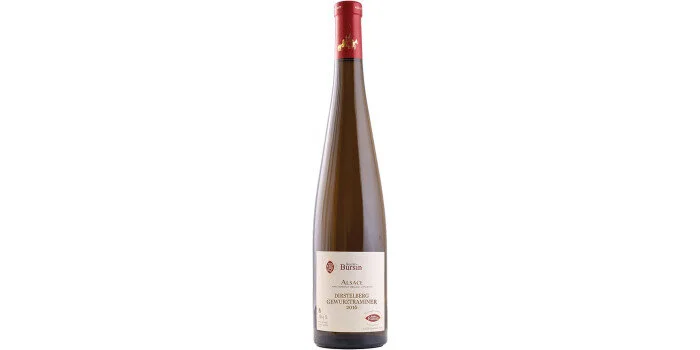
AGATHE BURSIN

Gewurztraminer Dirstelberg

Year: 2016

Grape Variety: 100% Gewurztraminer

ABV: 13 %

SRP $19 

The Agathe Bursin estate is located in the Alsace region in the northeastern tip of France, just south of Colmar in the village of Westhalten. Fairly new to the game of wine production, Agathe Bursin has been producing quality wines since 2000, with an extensive history with wine. She was born into a family of vintners, and she has been exposed to the rich floral and fruit aromas of the Alsace wine region since she was young.

Nose: With a gentle floral intro, this wine quickly follows with a fuller aroma of mango and guava.

Taste: A medium dry wine with a ripe fruity palate and a dab of smooth honey which loiters on the tongue, followed by a semi-sweet ling finish of spices and tropical fruit, this wine is a true delight and very easy to drink with pretty much anything. The flavors work well together, and the aroma is not overpowering, but just enough to get the juices in the mouth fired up.

Pair with: The Alsace region is well known for a traditional diet of smoked meat, pâtés and sausages. The InFlorida team sipped the wine while devouring smoked salmon on a simple water biscuit. A perfect canapé for your Thanksgiving Day.

2e324d7698892d0daafd67831db77eda1f6c2a3b.jpg

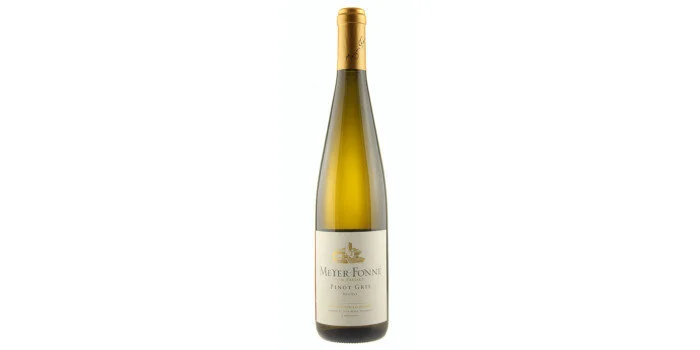
MEYER-FONNÉ

Pino Gris Réserve 

Year: 2017

Grape Variety: Pinot Gris

ABV: 13.5%

SRP: $27


Félix Meyer is the third generation in his family to make wine. The wine produced here has a sense of grandeur and history in every sip. It’s all about the detail, creating complex wines with an obvious understanding and skill of the land and the wine making process.

Nose: Layers of peach and apple, fresh and light.

Taste: The crispness of apple and the fullness of a ripe peach, covered in a drizzle of honey but not at all overpowering or sweet. It truly tastes like Fall. There is also a distinct minerality and a medium acidity. It is a great dry Pinot Gris with lots of character.

Pair with: This wine is perfect for the Thanksgiving table and great with white meats like Turkey. We had a pre-Thanksgiving lunch and sipped this wine alongside a roast chicken with all the Sunday lunch trimmings.

b77925529e6c408ca5e1b5207132243c8be85157.jpg

GUSTAVE LORENTZ

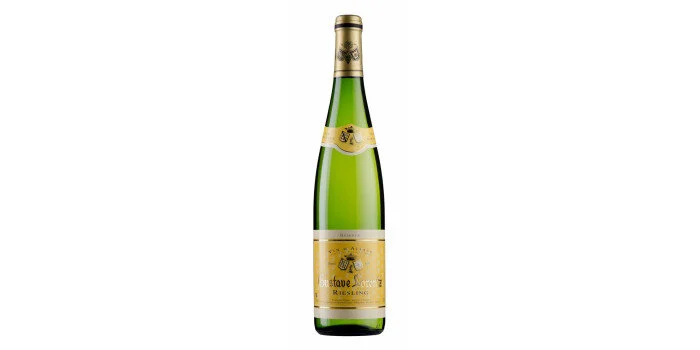
Riesling Réserve

Year: 2017

ABV:12.3%

Grape Variety: 100% Riesling

SRP: $21 

The domain was established in 1836 by the Lorentz family and today they still uphold the quality and reputation of their Alsace wines. This wine is available in 57 countries, making it one of the most-widely distributed Alsace brands in the world, so the InFlorida team were eager to try it.

Nose: An aroma of fresh autumnal fruits, like apple and pear enter your nose with a gentle nudge.

Taste: At first a tropical pineapple taste wraps around your tongue. This Is quickly replaced by the comforting taste of a juicy orange, and like the nose, pear and apple. There is a distinct earthiness to the palate which is a possibly due to the grapes coming from a terrain known for its heavy clay and limestone soil. The finish is short and slightly citrusy with a lemony acidity. The team all enjoyed this wine. It had layers of flavors and was incredibly well balanced.

Pair with: This wine really does match most foods so whatever you plan for your Thanksgiving Day, this will fit in perfectly. We sipped this wine while eating brie, crackers and a simple salade verte.

7deec873355dcab34ed9ccbacb0b41d8e25bee80.jpg

November Values and Splurges

It’ll be a month. You need quick, affordable wine. We also need to remember to celebrate. Grapefriend’s got it all.

VALUES

Emile Beyer Tradition Pinot Gris: Honeyed yellow peach and ripe golden apple with a touch of warm cinnamon. $19.99

SPLURGES

Zind-Humbrecht Riesling 2018: Alsace does it again. All of the deliciousness of a baked apple and touch of lychee with none of the sweetness. If you want to explore dry Riesling, this is an excellent place to start. $31.99

The Many Faces of Pinot Noir

Winemakers like to call pinot noir the headache grape. Fickle and persnickety, it requires a near-perfect blend of terroir to coax out its alluring combination of silky, fine tannins, balanced acidity and signature earthiness. Too warm a climate (or too heavy a hand in the cellar), and pinot can take on the character of a bigger red like cab; too humid in the vineyards and its delicate thin skin can take on rot and mold. But when it’s good, it’s oh so good.

Equally headache-inducing to making pinot noir can be finding a bottle that suits your wine style. Even without the parameters of so-called “varietally-correct” pinot there are variations in levels of acidity, tannins, fruit and body. With the disclaimer that it’s impossible to make broad sweeping generalizations about every bottle from a particular region, here are some guidelines for finding your perfect pinot.  

ALSACE

There is no longer a single style of pinot noir in this French region, according to Thomas Schlumberger, CEO and winemaker at Domaines Schlumberger, though most of the time wines display a similar aromatic character with dominant fruits like cherry, blueberry, blackberry and blackcurrant and a soft floral note. “It is an easy-going wine and can reach an intense concentration, [yet] is very elegant and not over-extracted or too powerful.” Earthiness can be pronounced, especially if the grapes are grown on limestone soils. “Alsace pinot isn’t for cab drinkers,” says winemaker Jean-Frederic Hugel of Famille Hugel. “[It’s] for those who understand a bigger wine isn’t necessarily a better wine.” Initial fruitiness in their youth can turn to earthiness after three to five years of aging, allowing for an intriguing evolution.

  • Domaine Schlumberger Les Princes Abbes Pinot Noir 2017 ($19), with blueberry, blackberry and a hint of rose on the nose, bright and fresh flavors in line with the aromas, a slightly astringent mouthfeel and a delicate, elegant, freshy and lengthy finish.

  • Domaine Pfister Pinot Noir 2017 ($30), “aged in stainless steel, an exuberant and supple wine that’s easy to pair with charcuteries and BBQ,” says owner and winemaker Mélanie Pfister.  

  • Domaine Emile Beyer Lieu-Dit Sundel Pinot Noir 2018 ($45): “Delicate strawberry, raspberry and red cherry notes on the nose, fine power and juicy fruit with well-blended tannins and a long salty acidity,” according to winemaker Christian Beyer Pair it with venison, rib steak or veal tenderloin with chanterelles.


Alsace Wines You’ll Fall For

Fall is my absolute favorite time of the year. I love the crisp cooler weather, the leaves changing, fall flavors, and wines that pair! I spent a lot of the warmer months of this year drinking domestic wines, especially due to all of the virtual tastings. When thinking about my fall menus, Alsace always comes to mind because of their versatility. Sure, I mean all wine is technically pair-able but there’s something about Old World style wines that call to me more during this time of year. It could be because I love visiting Europe and vineyards when the vines are changing, or it could just be because I enjoy Old World wines with fall flavors, but either way, it works!

I took an online quiz at the end of summer to see what type of Alsatian wine matched my personality. It was a fun quiz and paired me with Pinot Noir.  Alsace is a historical region in the Northeastern area of France, on the Rhine river bordering Germany. They produce predominately white wines from this region, but also offer sparkling wines, reds, and sweeter wines too. Because it borders Germany, you will find grape varieties here such as Riesling and Gewurztraminer dominate, but they’re very different than their bordering neighbor’s wines.

If you enjoy dry Riesling, you will enjoy Riesling from Alsace. It’s not to say that Germany and other winemaking areas do not produce dry Riesling, but this article is about Alsatian wines that you’ll “fall” for, and I think you’ll really enjoy this lineup with your favorite fall meals.

10738332-76x300.jpg

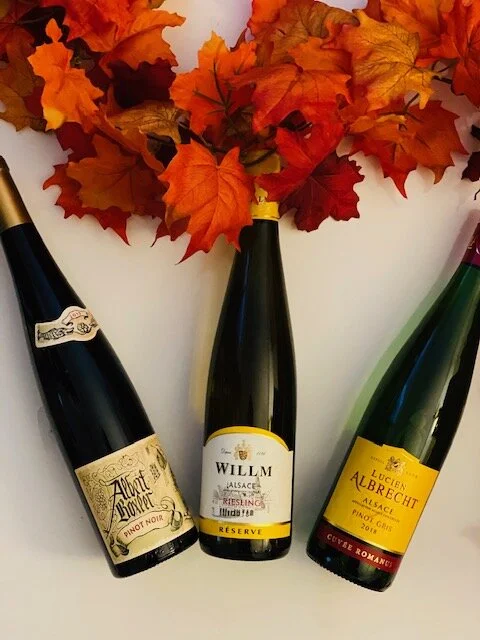
Meyer-Fonné Pinot Noir Reserve 2018- This beautiful Pinot is earthy and red fruit-driven upon the first sniff. It has a wildly attractive nose of under-ripe red fruits and typical Alsatian earthiness. This wine is farmed organically, and hand-harvested before being gently pressed. Felix Meyer is a rock star in Alsace and took over his family’s winery in 1992, where he started to modernize and export these fantastic wines. This wine would be ideal with grilled meats, however, for fall, I think some Pumpkin Ravioli topped with Pancetta and Balsamic Glaze would be a wonderful pairing with this wine! Trader Joe’s makes the best pumpkin ravioli, and you can easily make this a perfect weeknight meal. $29.99

Willm Alsace Riesling Réserve 2018- In 1896 the Willm family established the Willm Estate in Barr, at the base of the grand Kirchberg de Barr Grand Cru vineyard. This wine is aromatic and full of intensity with citrus and flowers. This wine has great acidity and can easily pair with fish and white meats. For fall, you can pair this wine with a Baked Brie topped with Caramelized Pecans and Apricots! The lovely citrus and stone fruit notes in this wine will pair nicely with something warm and creamy, with the caramelized crunchy nuts. $17

Albert Boxler Pinot Noir 2015- North facing vines ideal for Pinot Noir, this wine is a newer addition to the Boxler winery portfolio. It’s a silky and smooth wine with nice spice-driven flavors. This one is ready to drink now and does not have to be aged if you do not want to, it’s perfectly drinkable now and absolutely delicious! Produced from granite soils and organic vineyards, this wine is a great wine to enjoy this time of year, as well as makes a wonderful gift for the wine lover in your life. Easily this wine can pair with Slow Cooked Short Ribs over Cheesy Polenta$45

IMG_5097-1.jpg

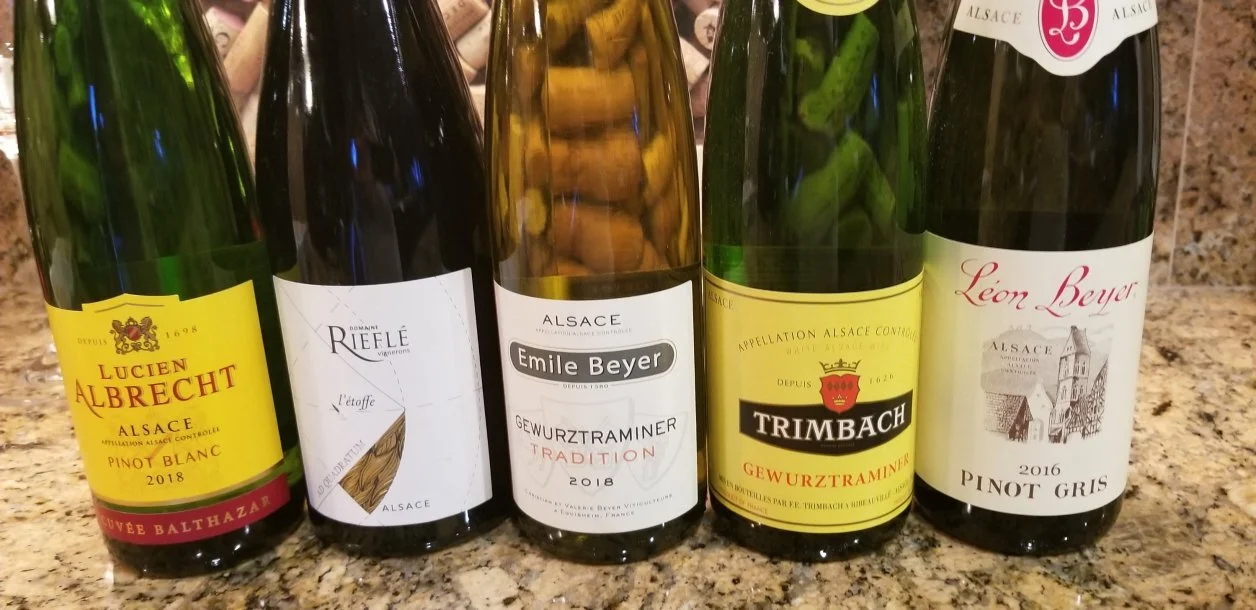
Lucien Albrecht 2018 Pinot Gris- A beautiful white wine with a complex nose of apricot, nuts, and toast. Lucien Albrecht is one of the most well known white wine producers in all of Alsace. This wine is made from fruit sourced from Estate vineyards and boasts apple notes with lemon and pear. On the palate, it has great acidity and would pair nicely with Roasted Chicken with Root Vegetables, or Butternut Squash Risotto$19

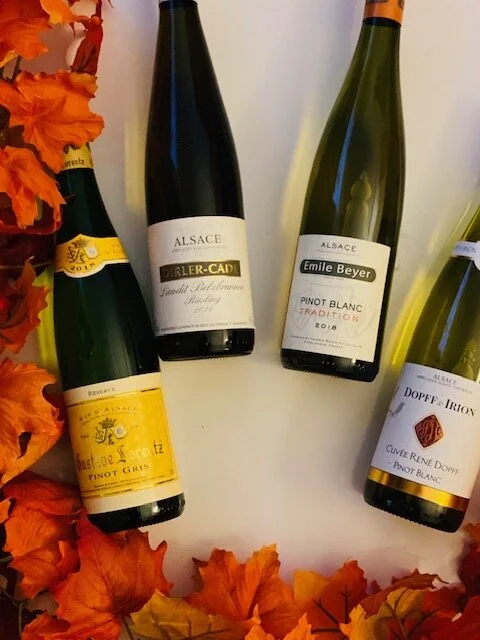
Dopff & Irion Pinot Blanc 2018, Cuvée René Dopff- A perfect Pinot Blanc for the fall season! It’s ripe and juicy with pear and apple notes. On the palate, it’s well-balanced and full of more apple, citrus, and minerality. It has a nice medium body and a great finish with nice white peach flavors. It’s a soft wine with a touch of smokiness as well and would pair great with an Arugula, Pumpkin, and Burrata Salad topped with Pomegranate Seeds$15.99

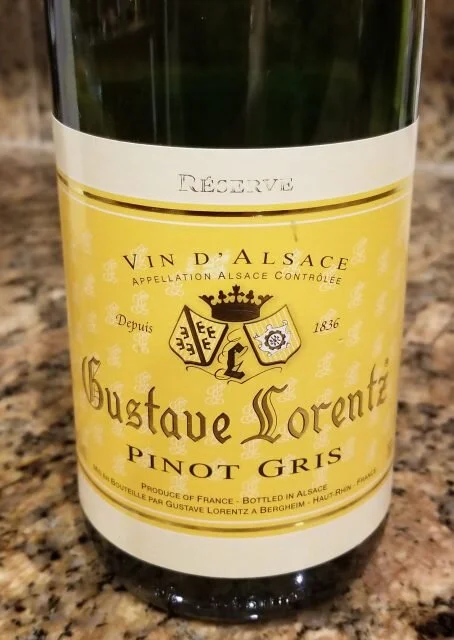
Gustave Lorentz Pinot Gris Reserve 2018- A beautiful golden yellow with a nose of dried fruit and some smoke. On the palate, the dried fruit and smoke follow. Nice fruit and balance in this wine as well, it’s a very pretty Pinot Gris with a lovely long finish. The vineyards are certified organic and show the uniqueness of these wonderful grapes. This wine would be great with Foie Gras if you can get your hands on some, however if you can’t or you’re not into that dish, this wine will absolutely pair with Stuffed Mushrooms, and Soft Cheeses$19

Emile Beyer Pinot Blanc Tradition 2018- 14 Generations of winemakers in this family, from the birthplace of Alsatian wines! This wine is meant to be consumed while young and has nice soft floral notes. It’s a delicate wine that can be easily enjoyed with lighter dishes and appetizers as well as consumed on its own. It has excellent acidity and soft yellow fruit notes, that make it a great pairing with Sushi$15

Dirler-Cade Riesling 2016– The vines grow in pink sandstone soils at one of the finest Domaines in Alsace! The vineyards are also all certified organic and biodynamic. This wine is very expressive, quite bold in color with a powerful nose of peaches and ripe rich fruits. A lemony finish and some salinity to entice you to want to take multiple sips of this wine, because of its dryness and refreshing high acidity. This wine would be ideal with Smokey Ricotta Dip, Caramelized Pears, and Grilled Bread$26.99

Overall if you’re seeking to switch up your fall wine options, I absolutely recommend checking out the Alsace section of your local wine store. These wines are available online as well, thanks to Wine.com, and some of these can be purchased through the website! Always remember, eat what you like and drink what you love. Please pair responsibly!

What to Drink Now: Wines of Alsace

20201017_1744525952535993715683596.jpg
German sausage and schnitzel

German sausage and schnitzel

The Alsace region of France sits on the border of France and Germany, with the Pfalz region of Germany just across the way. Over the years the region has been a part of Germany, then France, then Germany, then France…you get the picture. Though completely French today, the Germanic influences on the region are noticeable.

These traits are most obvious in traditional parts of the culture, most typically the cuisine of the region reveals a distinct Germanic influence, i.e. unctuous and rich. Dishes like spaetzle, schnitzel, Strasbourg sausage, and streusel, meld with cheesy Cordon Bleu, Vol-au-vent, and Alsacian foie gras, considered some of the best in the world. To pair with these abounding flavors you need clean, crisp, light, high acid wines that will cut through the richness, while shining pure and bright on their own. Here is where another Germanic influence comes in.

Ri

Riesling

The cool-climate varieties Alsace specializes in are also produced as single-variety wines, noting the grape on the bottle. Typically, throughout France, wine bottles denote regional classifications, and often those wines are produced from a blend of varieties, i.e. Rhone, Champagne, Bordeaux.

Not in Alsace. Here, single-variety wines shine, showcasing the terroir. Situated between the Vosges Mountains and the Rhine River, Alsace enjoys a continental climate, sheltered from wind and rains, delivering a very sunny, dry climate, ideal for creating dry white wines.

20160718_171630-1-e1602993022879.jpg

Though the region does produce selections with some residual sugar, it is not as typical as in the wines of their German neighbor. If the wines have some residual sugar included, it is often the varieties that are inherently fruitier, like Pinot Gris and Gewurztraminer. But, even these selections maintain the crisp, mineral-driven style Alsace is famous for.

Like their friends across the border, the wines of Alsace are predominantly white, with dry Riesling leading the way, followed by varieties like the other noble white varieties of Pinot Gris, Gewurztraminer, and Muscat, along with cool-climate Pinot Blanc, Auxerrios Blanc, Sylvaner, to name a few. The only significant red variety planting in the region is Pinot Noir, adapting ideally to the atmosphere, creating a long, even growing season.

Gewurztraminer

Gewurztraminer

Embracing environmental awareness, wine growers and producers of Alsace have focused on clean, sustainable, and organic farming for generations, moving to biodynamic viticulture in the past few decades. Considered the birthplace of farming biodynamically, the vintners of the Upper Rhine have a deep respect for the vines, following the phases of the moon in their farming, returning the earth to the universe, working in harmony with the cosmic cycles.

Within the Alsace AOC region, there are 51 Alsace Grand Cru vineyards. These Grand Cru vineyards meet quality restrictions to ensure the wines are of premium quality, including yield restrictions, location, the use of only the four noble varieties, and labeling regulations to denote the Grand Cru status. The area as a whole sees a range of soil types and climate sub-zones, with the Alsace plain delivering a mix of limestone, granite, shale, and sandstone, with vineyards on the lower slopes of the Vosges Mountains enjoying a mix of limestone, silty sediment, and metamorphic rock.

The resulting wines are textured, complex, mineral-rich, and filled with sunshine. @WinesofAlsaceUSA and @DrinkAlsace created a fun quiz to help you figure out which Alsace wine fits your palate, “Alsace Rocks” quiz. But, here is a little sneak peek to get your palate ready.

20200911_153531-e1602995888781.jpg

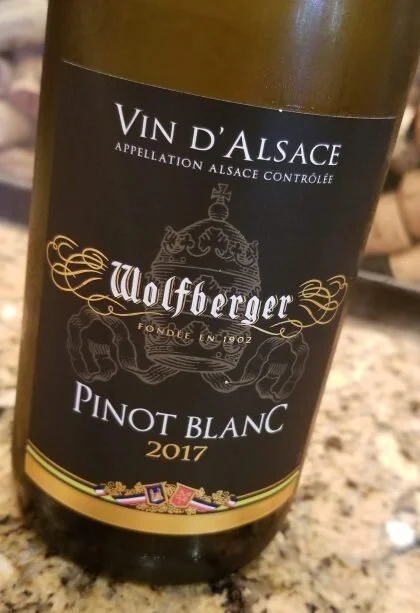
If you enjoy something very approachable, supple, and versatile, Alsace Pinot Blanc is perfect for you. Also known as Clevner, the sister wine to Pinot Noir, the fresh and easy wine is always welcome as the flavors and round texture easily pairs with just about anything you may want to enjoy it with, from fish to poultry to pork to pasta to omelets. Since the turn of the 20th century, Wolfberger has been producing refined Pinot Blanc ($25) with quality. Slightly floral, with lemon leaf and honeysuckle, followed by apple and pear flavors, a touch of fresh acidity, and an even balanced palate, the wine is an agreeable addition to your weeknight repertoire.

20160718_171608.jpg
20201017_1745025786250087929608863-e1602997122426.jpg

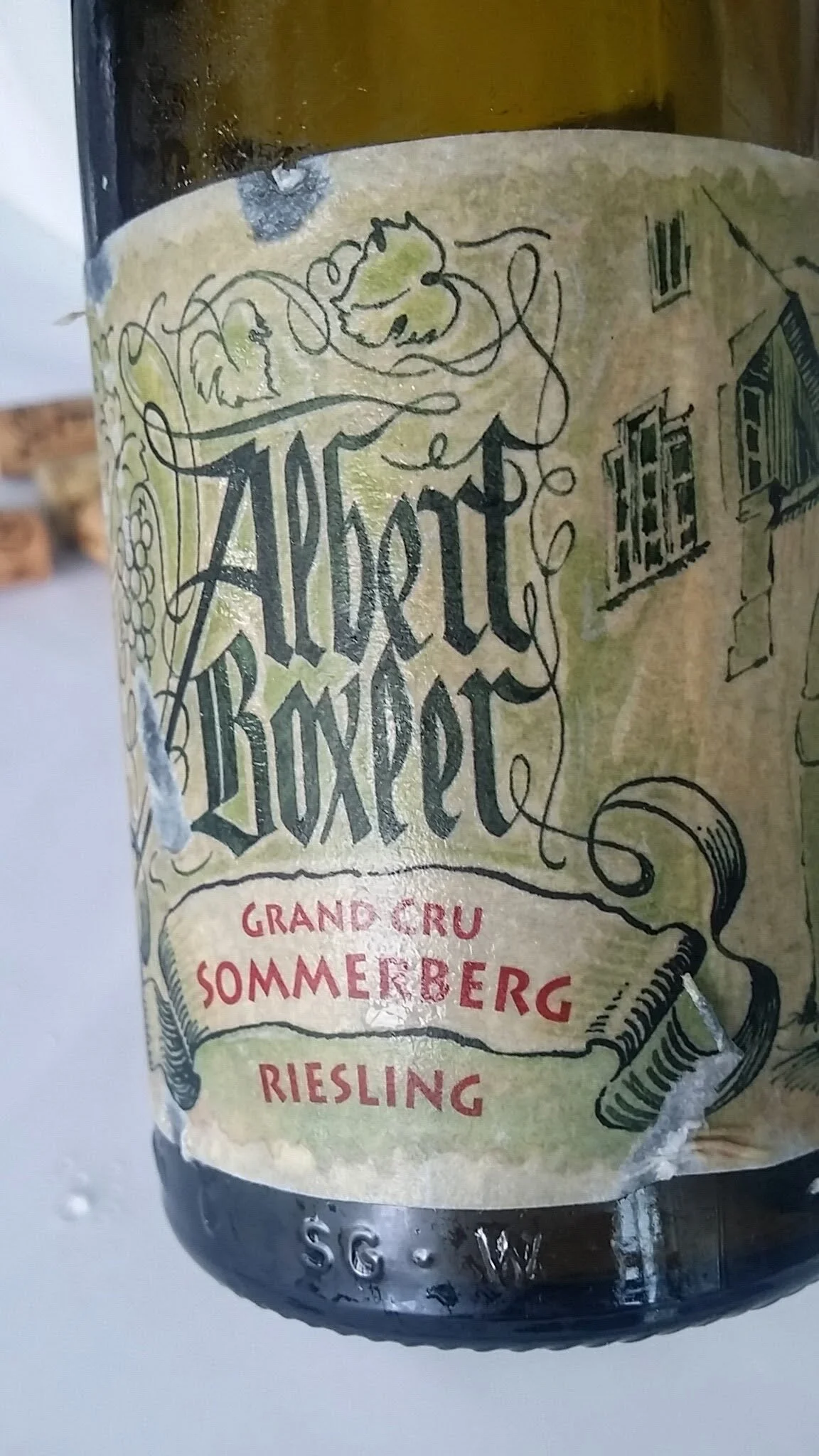
For wine aficionados who adore refined, elegant, very fresh, with a note of earthiness and petrol when aged, pairing beautifully with anything from salty to creamy to smoked to roasted dishes, Alsace Riesling has your name on it. From Grand Cru Sommerberg, Albert Boxler Riesling ($65) with fruit planted in the hillside of Sommeberg with granite-filled soils giving the fragrant wine a mineral intensity that defines the great Riesling wines of the region. Since 1673 Albert Boxler has showcased the white varieties of Alsace. This Riesling showcases an opulence with a bold acidity, showing flavors of candied ginger, apple, and ripe lemon.

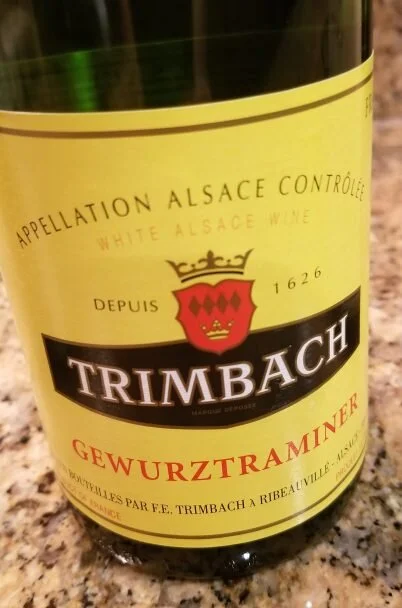
If you like something a bit spicier, floral, and juicy, with complexity and richness, Alsace Gewurtztraminer is for you. And, for every winery in Alsace, the Trimbach family is perhaps the most solid option for every grape variety in the region. Since the early 1600s Trimbach has been producing the noble varieties of Alsace with grace, dedication, and always great taste. Sheltered by the Vosges Mountains, few meters from the heart of Ribeauvillé, the elegant, expressive Trimbach style, highlighting the terroir of the region and individual character of the fruit, is a distinction that many wines of Alsace try to emulate. Highly aromatic and complex, Trimbach Gewurtztraminer ($25) layers spicy notes of Tumeric, saffron, and ginger with floral roses, citrus and tropical fruits like lychee and pineapple.

20201006_1911152705015936359192758-e1602991086403.jpg

If you ask any old school Oregon Pinot Gris producer the style they were looking to emulate when they first made Willamette Valley Pinot Gris, 99% of them would say to try to mirror those of Alsace. Here Pinot Gris shines in all its noble variety glory. More medium-bodied than other Pinot Grigio/Gris wines easily enjoyed upon release, but also able to age, helping concentrate the wine’s distinct flavors. Gustave Lorentz Reserve Pinot Gris ($28) is nicely structured and vibrantly clean. The wine opens with honeysuckle and wisteria, leading to lemon peel, grapefruit, peach blossom, and a touch of crushed stone and silex.

Each of these white wines has character, and a distinct personality, a desirable trait for defining any wine region. The Pinot Noir follows suit appropriately.

20200923_1025071093048260521168621 (1).jpg

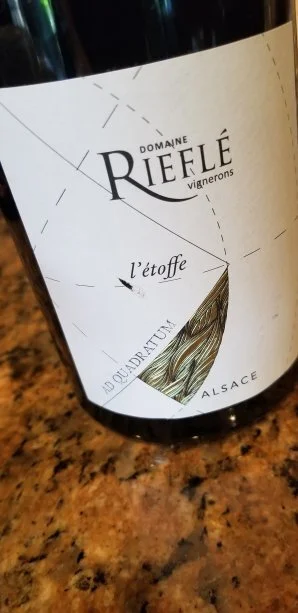
The Pinot Noir wines of Alsace deliver a full-bodied, intense, powerful palate. The wines are filled with typical red fruits and earthy qualities, with spiciness and smokiness, but they are more robust than you may think they would be. Domaine Riefle Pinot Noir ($30) reveals a structured palate of red cherry, wild berry, wet stone, and dried woody herb.

White Wines From France’s Alsace Region Perfect For Fall

Around this time of year, many wine lovers start to drink more red wines instead of white wines.

It’s easy to understand why. The days get cooler. The nights get longer. And the food becomes heartier. Chicken slow roasted in an oven for hours. Chili simmering on a stove all afternoon. Beef stews or meat pies to keep us warm on cold, fall nights.

Who wouldn’t want a full-bodied red wine to go with any of these meals?

But not all white wines are made for warm, summer afternoons. Many great white wines can more than hold their own the rest of the year. And right near the top of the list are white wines from France’s Alsace region.

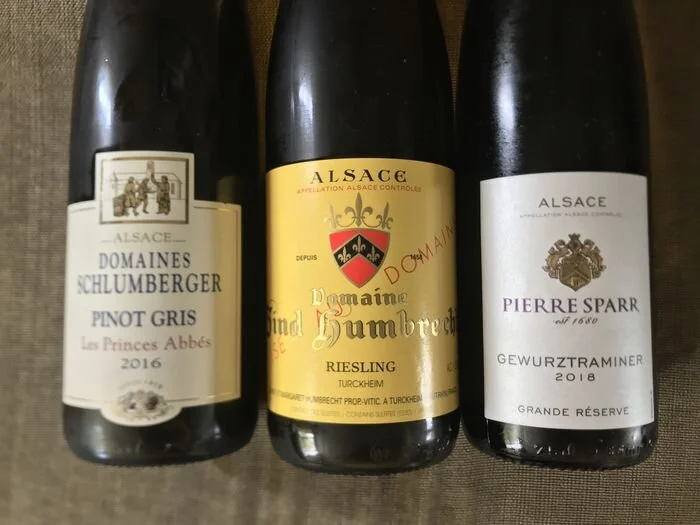
Many flavorful white wines can be found in this northern corner of France. This week, I decided to highlight wines made with three white wines grapes that thrive in Alsace and seem to be tailor made for crisp, cold weather – Gewurztraminer, Pinot Gris and Riesling. And while you can find many great white wine producers in Alsace, I wanted to recommend three particularly great wines from three different Alsatian wine makers. Let me add the wines range from $13 to $28 a bottle. Hope you enjoy.

WZ5I7PB35RHSDAPACOGMCLLTQU.jpg

WINES RECOMMENDED THIS WEEK

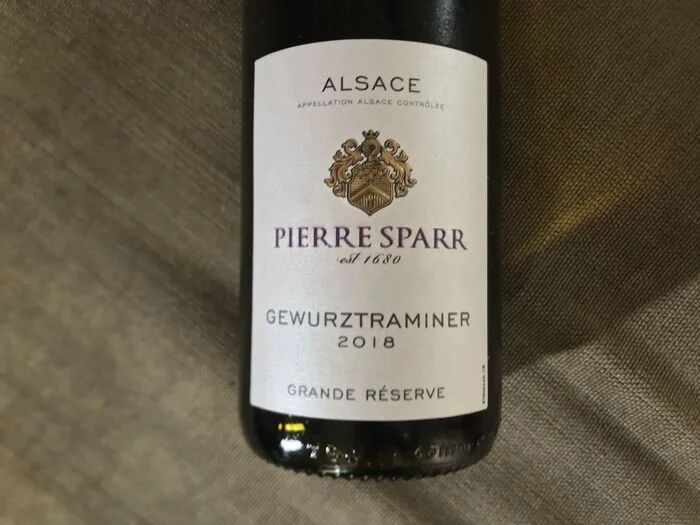
2018 Pierre Sparr Gewurztraminer ($13 Suggested Retail Price)

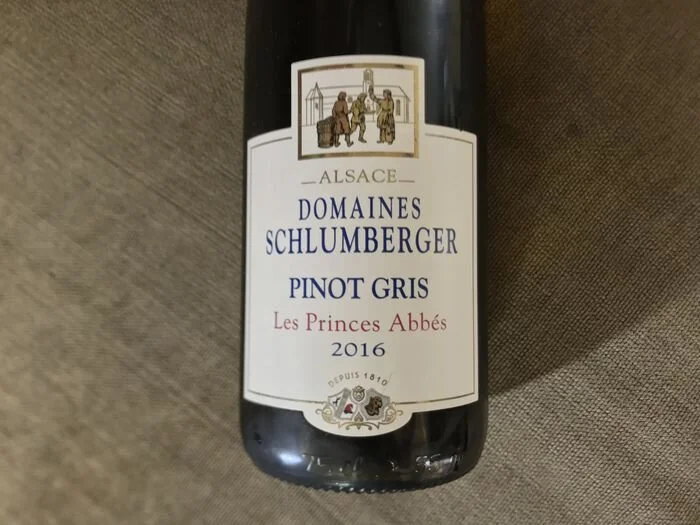
2016 Domaines Schlumberger Pinot Gris Les Princes Abbes ($26 SRP)

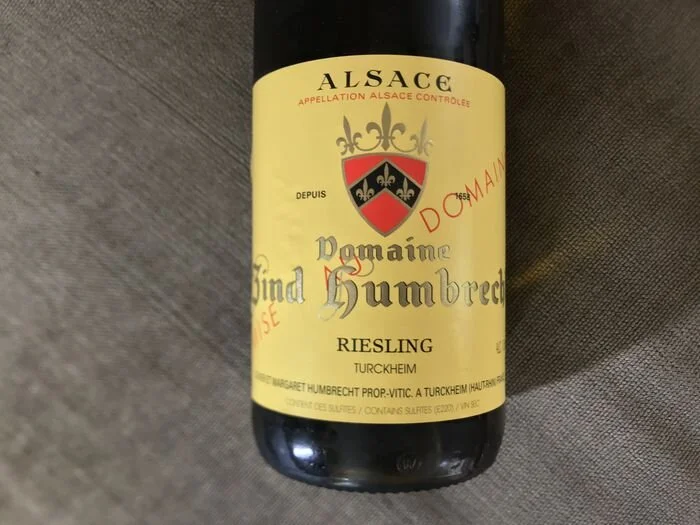
2018 Domaine Zind Humbrecht Riesling ($28 SRP)

MORE ABOUT FRANCE’S ALSACE REGION

Located along the German border in northeastern France near the Rhine River, the Alsace region has been producing outstanding wines for centuries. And there’s a reason why wines from here sometimes seem more German than French. That’s because the Alsace region went back and forth several times in the past few centuries to being part of Germany or France before finally being declared part of French in 1919 after World War One. This might also explain why the long, slender wine bottles from Alsace look like ones more often found in Germany. And like Germany and unlike most of France, the wines from Alsace are often labeled based on the grape variety rather than geographic locations.

COMMON GRAPES IN ALSACE

Alsace produces a wide range of red (particularly Pinot Noir) and white wines. But the vast majority of its wines include some of the most popular white wine grapes often found nearby on the German side of the Rhine River. The three most popular white wine grapes in Alsace are:

  • Riesling (Roughly 21 percent of all Alsatian wine)

  • Gewurztraminer (18 percent)

  • Pinot Gris (15 percent)

Let me add that one of things I love about Alsatian white wines is the way they blend the mineral-like crispness of French Chablis wines with the pear-like fruit flavors of certain German wines.

YVDOZK43UNFUHI6LPYKOAIGKI4.jpg

WINE TASTING NOTES

2018 Pierre Sparr Gewurztraminer

Grape – Gewurztraminer

Tasting Notes – A hard name to say (geh-vertz-tra-mean-er), an easy wine to love. I’ve long been a big fan of these hearty, flavorful white wines. This gewurztraminer illustrates why. Floral, licorice-like flavors abound in this fragrant, dry wine. There’s also hints of anise and tropical fruits in the taste and aromas. Let me add that the Sparr family has been making wines in Alsace since 1680. So it should come as no surprise that this refreshing white wine tastes so great. Practice makes perfect.

WUWGPNR5LFEN7GEXG3L64ZKS7I.jpg

2016 Domaines Schlumberger Pinot Gris Les Princes Abbes

Grape – Pinot Gris

Tasting Notes – Fans of clean, crisp, dry white wines likely already know all about Pinot Gris wines. This particular one raises the bar. A beautiful blend of subtle, fruit flavors (apricot, lemon and blood orange), this Pinot Gris also remains wonderfully dry and refreshing. There’s also a hint of minerality to the wine that makes it ideal for spicy or heartier fall foods like duck, turkey or lamb. A truly delicious wine and a great example of Alsace’s gracious Pinot Gris wines.

GJ6U2DYLAJCPRF5SWWT5OMGKMM.jpg

2018 Domaine Zind Humbrecht Riesling

Grape – Riesling

Tasting Notes – Riesling wines can cover an astounding range – from bone dry to syrupy sweet. This outstanding Alsatian Riesling from one of the most revered wineries in the region (the Humbrecht family has been making great wine since 1620) smells and tastes delicious. Floral aromas mixed with soft, understated pear and peach flavors give this wine a hint of sweetness without being overwhelming. Perfect with spicy food, roasted turkey or great on its own, it was pleasure to spend some time with Alsace’s most popular grape made by one its most respected wine makers.

Ep #343: Wine for Normal People Podcast with Thierry Fritsch

ThierryFritschPortrait_HR.jpg

Ep 343: The Exquisite Wines of Alsace with Thierry Fritsch of the Conseil Interprofessionnel des Vins d’Alsace (CIVA)

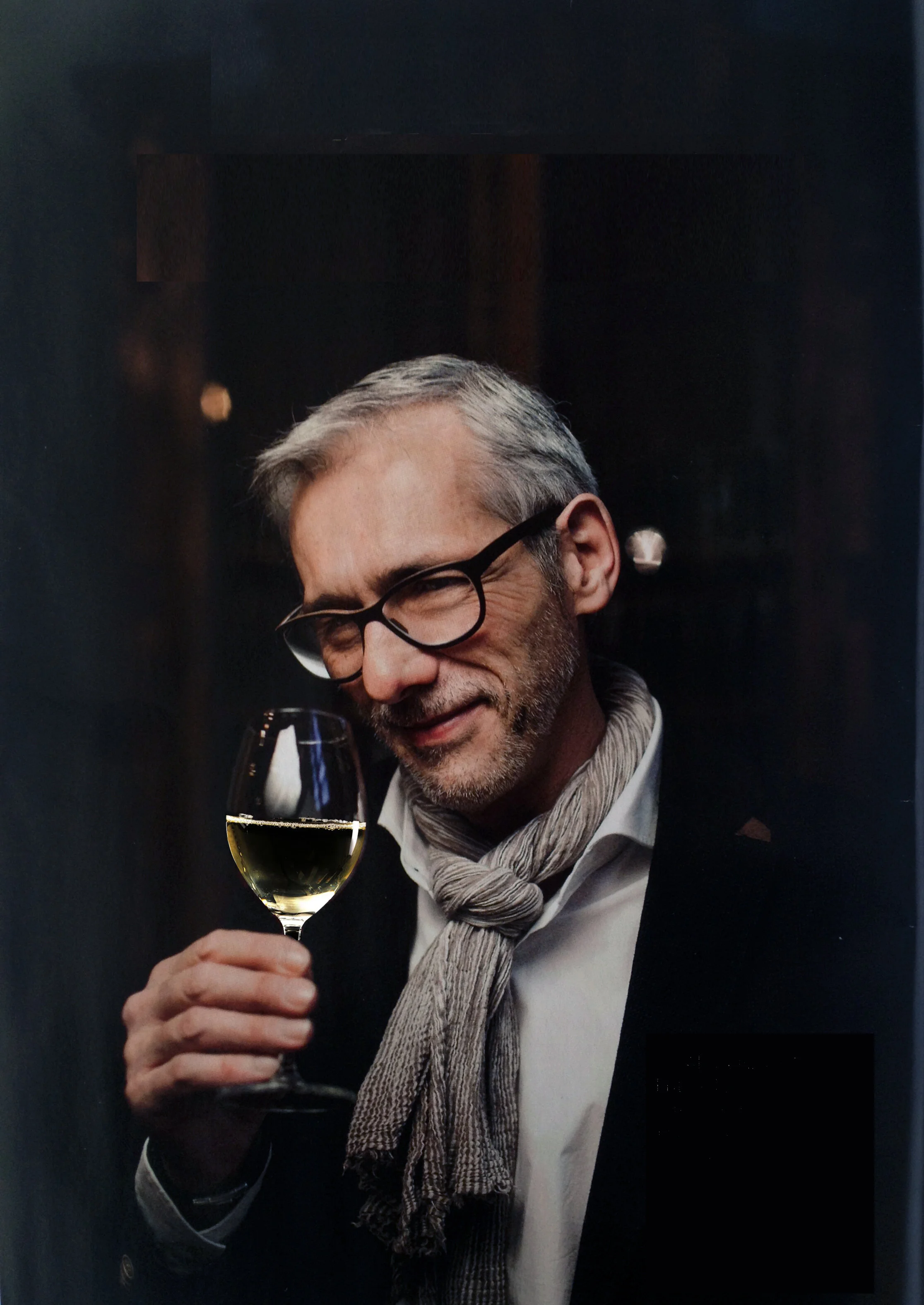
In this show, we welcome Thierry Fritsch, the head oenologist and chief wine educator of the Conseil Interprofessionnel des Vins d’Alsace (CIVA), the regional wine regulatory and promotional body of the Alsace wine region. Born and raised in Alsace, Thierry is an agricultural engineer and oenologist, and has an MBA from the Business School of Lyon. Prior to joining the CIVA in 1997, he worked as Chef de Cave for Pierre Sparr and Josmeyer in Alsace.  Thierry is a lively and fascinating guest. He shared so much about the region and the innovations in the works! Below are the show notes:

Alsace2.jpg
  • Thierry tells us about his background and about the history of Alsace. We discuss how his grandfather changed nationalities 5 times in his life (!). We talk about how the epic tennis match, as I call it, between Germany and France (with Alsace as the ball) shaped the region culturally and from a grape and wine standpoint.

Alsace1.jpg
AlsaceRangestudio-noir-blanc.jpg
  • We discuss one of the unique factors about Alsace – that winemaking families here have been involved longer than any other region in France – for 13, 14, or even 15 generations. Thierry tells us about the wine families’ strong passion for the region and how that has led to a focus on quality and sustainability and organic and biodynamics in the vineyard (Alsace is 25% organic, the leader in France)

  • Thierry tells us about the climate and land of Alsace – the effect of the Vosges Mountains, how the area is one of the driest and sunniest in France, how climate changed has pushed harvest up by a month and a half, and Alsace’s secret sauce is its 13 different soil types, each yielding different wine types. Thierry tells us of the three main terroir types in Alsace – the slopes of the Vosges, the foothills, and the flats – and how, as with all hillside regions in France, foothills/mid slope are best, followed by slopes and then the flats, which are used for everyday wines.

  • The current appellation system in Alsace (AOC Alsace, plus 51 Grand Cru) is quite simple now, but Thierry shares some exciting developments that are in the works and will happen in the next decade (with the INAO, the French regulatory body, it takes a very long time) – new tiers in the AOC that include villages and a premier cru level.

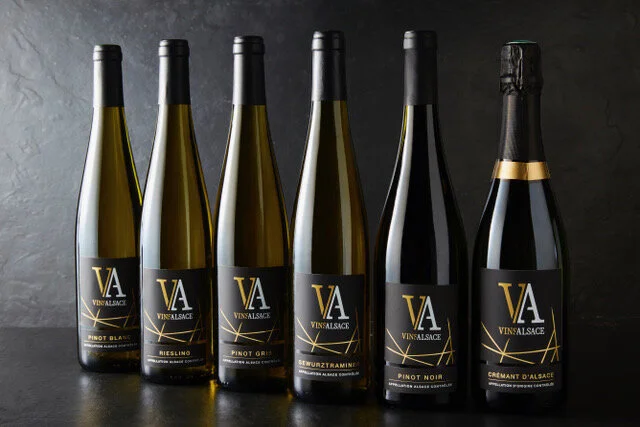
  •  We end by talking about the beautiful wines. Thierry describes the main wines of Alsace and what makes them so special: Riesling, Gewurztraminer, Pinot Gris, Pinot Blanc, Muscat, Pinot Noir, and the very popular Crémant d’Alsace.

  • One of the issues with Alsace in recent years has been producers making sweet wines without indicating it on the bottle. Beginning next year the sweetness scale will be on every bottle, to indicate Sec (dry), demi-sec (off-dry), moelleux (semi-sweet), and doux (sweet).

Why Gewurztraminer Is a White Wine Worth Getting to Know

It might be hard to say but this aromatic wine is easy to drink!

It has one of the hardest names to pronounce in the world of wine but gewürztraminer (guh-VERTZ-tra-mee-ner) is a white wine that's easy to drink. Ready to get to know this aromatic white wine, which is produced in Alsace, Italy, and other countries? First, know that it's generally a sweeter wine with a powerful fragrance that bursts out of the glass and these elements make it an excellent pairing with spicy foods. Ahead, more about this wonderful drinking variety.

What Does Gewürztraminer Taste Like?

Gewürztraminer is a grape variety that produces a full-bodied, aromatic white wine. The German word gewürz means "spicy," but the wine actually doesn't show spicy character; rather, the term relates to its "strong aroma." The most notable thing about this wine is how powerful its fragrance is: it bursts out of the glass with lychee and rose petal aromas, followed by flavors of peach, apricot, ginger, orange peel, and tropical fruits like pineapple.

Gewürztraminer general is a sweeter wine—it will usually have a couple of grams of residual sugar, and even the bottlings that are technically "dry" (meaning all of the natural sugars have been fermented into alcohol, and there's no trace of sugar as it would be measured in a lab) are still perceived by our palates as sweet, because of all those tropical fruit notes. Gewürztraminer has relatively high alcohol content and low acidity which can also enhance our perception of sweetness. Another notable thing about gewürztraminer is its golden color—sometimes a copper tone—which is quite different to the pale color of white wines such as sauvignon blanc. The color is a result of the grape; its skins are pink instead of the pale green we see in most white grapes. If you enjoy other aromatic white wines like riesling, torrontes, or muscat/moscato, you should give gewürztraminer a try.

All About Gewürztraminer Produced in France

The French region of Alsace is generally considered the most important growing area for gewürztraminer. Along with riesling, pinot gris, and muscat, it's one of the four grapes allowed in the highest-quality Alsatian wines (called Grand Crus). For hundreds of years, Alsatian gewürztraminer has been not only as a table wine, but also in a late-harvest dessert wine style called Vendange Tardive: these are the top wines, so if you see that on a label, don't hesitate to put in in your cart! Excellent gewürztraminer wines from Alsace include Albert Boxler Gewürztraminer Reserve 2016 ($46.99, wine.com), Trimbach Gewürztraminer Tradition 2016 ($24.99, wine.com), Pierre Sparr Gewürztraminer Grand Cru Mambourg 2016 ($49.99, wine.com), and Zind-Humbrecht Gewürztraminer 2018 ($27.99, wine.com).

The Best Foods for Pairing with Gewüztraminer

Because of its natural sweetness, gewürztraminer is an excellent pairing partner with spicy dishes: It's especially tasty when paired with Thai Green Shrimp Curry. In addition, dishes with tropical fruit have a natural harmony with the wine, try Fresh Mango-Lobster Spring Rolls. Another fun pairing is Moroccan food; the apricot, warm ginger spices, and rosewater flavors in many of the dishes are perfect with gewürztraminer. Try it with Sea Scallops with Sherry and Saffron Couscous and Moroccan-Spiced Chicken. And when in doubt, the aromatic intensity of gewürztraminer is a lovely match with semi-soft cheeses.

The 8 Appellation for Crémant d'Alsace, the French Sparkling Wine

If there is one truth in the wine world, it’s that you can always trust a ninth-generation Alsatian winemaker. As much as a twelfth generation one.

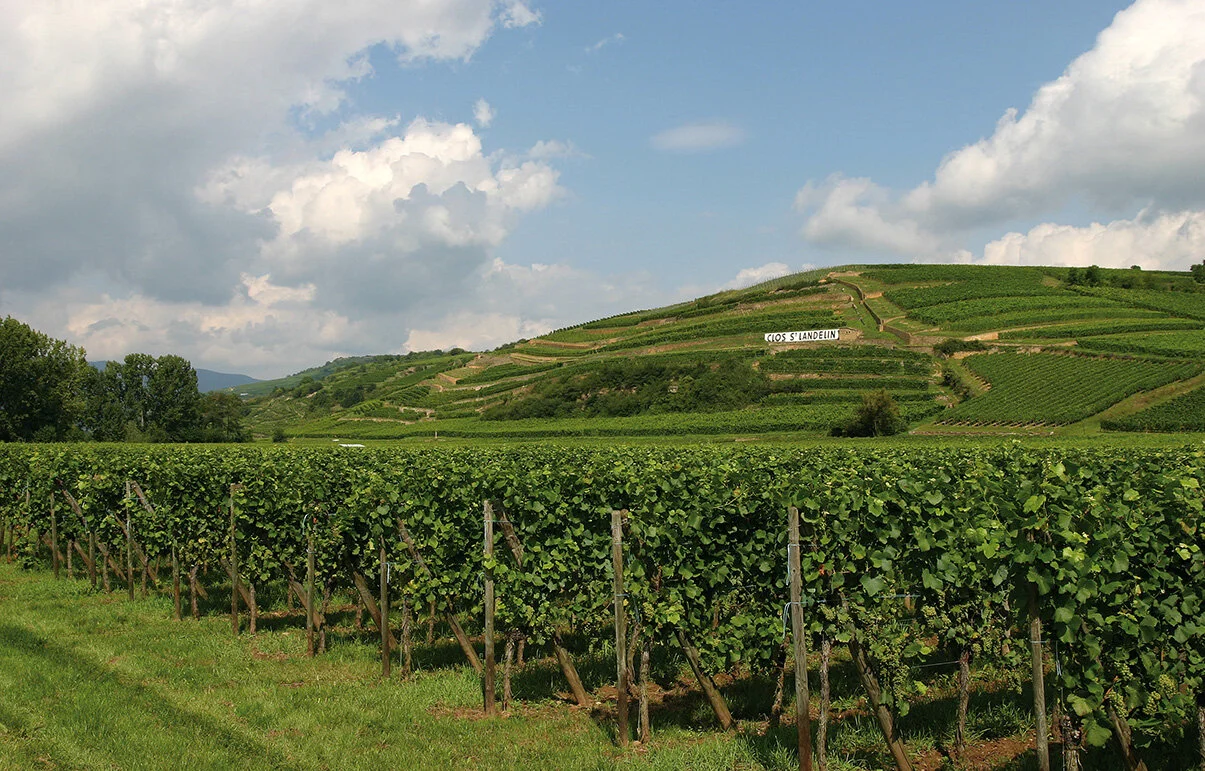
clos-st-Landelin.jpg

There are now eight appellations for crémant sparkling wine using the same méthode champenoise with secondary fermentation in the bottle. Sparkling Crémants must be hand-harvested with a minimum of one-year aging, including nine months on lees with the bottles being turned daily on their ends, allowing the deposit to remain in the neck until they are disgorged. Generally lighter, more floral, and less expensive than Champagne, Pinot Blanc is the major varietal used for white Crémants d’Alsace. Pinot Noir is the only grape variety used to produce Crémants d’Alsace rosés. Vintage Crémants are often aged for a longer time to give their buttery, brioche-y character. Alsace wine-growers harvest early. The Crémant d’Alsace appellation was only recognized in 1976 but has become the top AOC sparkling wine in France behind Champagne. They are very affordable, classy, and dependable alternatives.

DOPFF-e1596686475556.png

At the end of the 19th century, several Alsace-based wine-making businesses produced sparkling wines using the traditional method. Today there are over 500 producers. Most of the best are the oldest.

Cremant-Dopff-Crem-de-Alsace-e1596685887331.jpg

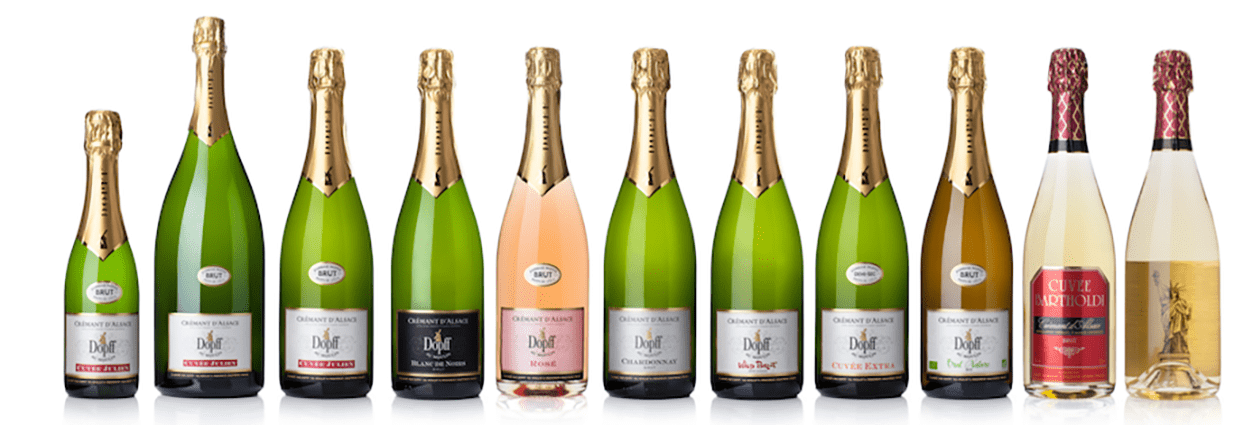
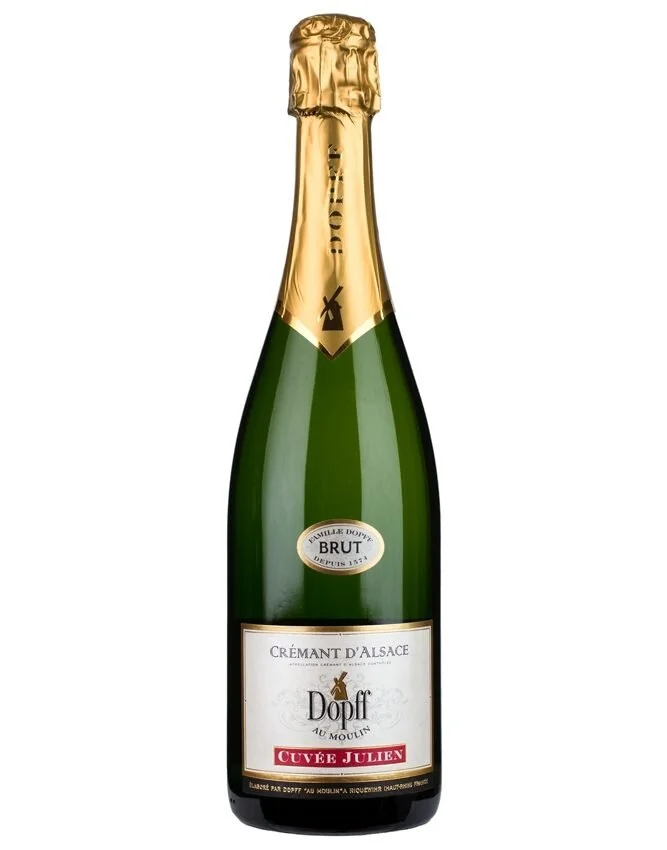
Dopff Au Moulin

Julien Dopff pioneered sparkling wine-making in Alsace, after seeing and tasting Champagne at the 1900 Paris Exposition and learning about secondary fermentation in Épernay. He began importing grape must from Champagne before realizing that creamy pinot blanc and Alsace’s other white grapes excellent for making sparkling wine. In 1913, he sent his wine sin stemmed bottles to Australia. Dopff Cremant is one of the most beautiful wines in France made in one of its most beautiful villages. They have been making crémant in the picturesque village of Riquewihr since 1574. So they know what they are doing.

Cremant-Arthur.png

Metz

Founded in Marlenheim in 1904, Arthur Metz was another early pioneer of sparkling Cremant d’Alsace.  The word itself came from Wolfberger’s Pierre Hussherr. Maison du  Arthur Metz includes three properties (Domaine de la Ville de Colmar, Clos St-Jacques, and Hospices de Colmar) with pressing rooms–Scharrachbergheim in northern Alsace and Epfig in central Alsace. The estate also works with more than 400 small growers giving the winery access to over 1000 hectares of grapes. The Cuvee Prestige is a blend of Pinot blanc, Pinot noir, and Riesling grapes grown from both estate and contract fruit. “Perle Noire” is made with Auxerrois grape and has had two years in the bottle.  The Reserve de l’Abbaye range commemorates Marlenheim being one of the oldest vineyards going back to the sixth century.

Cremant-Pierre.png

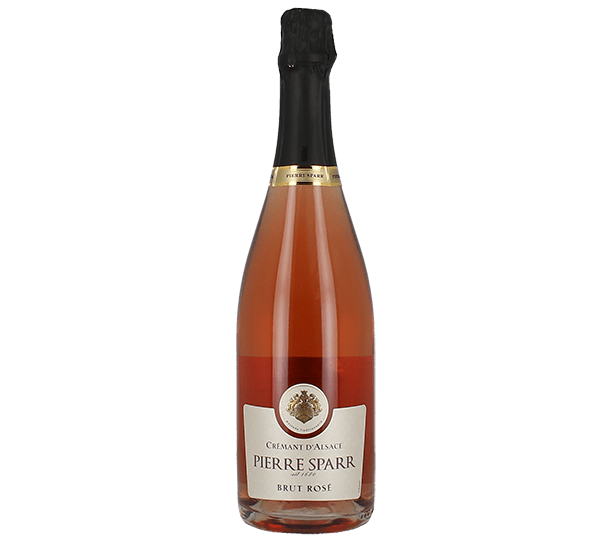
Pierre Sparr

Alexandra Boudot is the cellar master of the ninth generation estate in Beblenheim.  The seventeenth-century original vineyards had to be rebuilt after they were destroyed in the Second World War. Sparr produces pale green, almondy Cremants. Try AOC Brut Dynastie. Always go for the AOC!

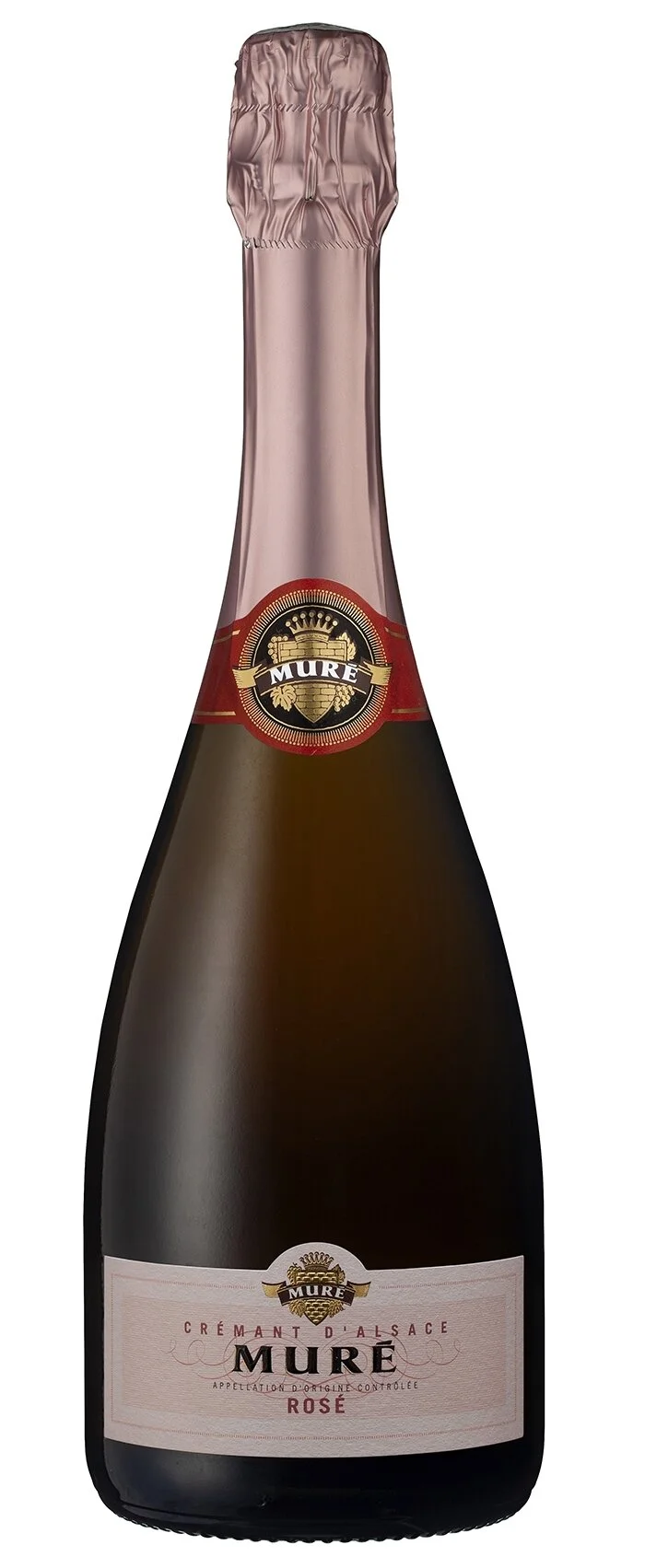
CREMANT-D-ALSACE-MURE-ROSE.jpg

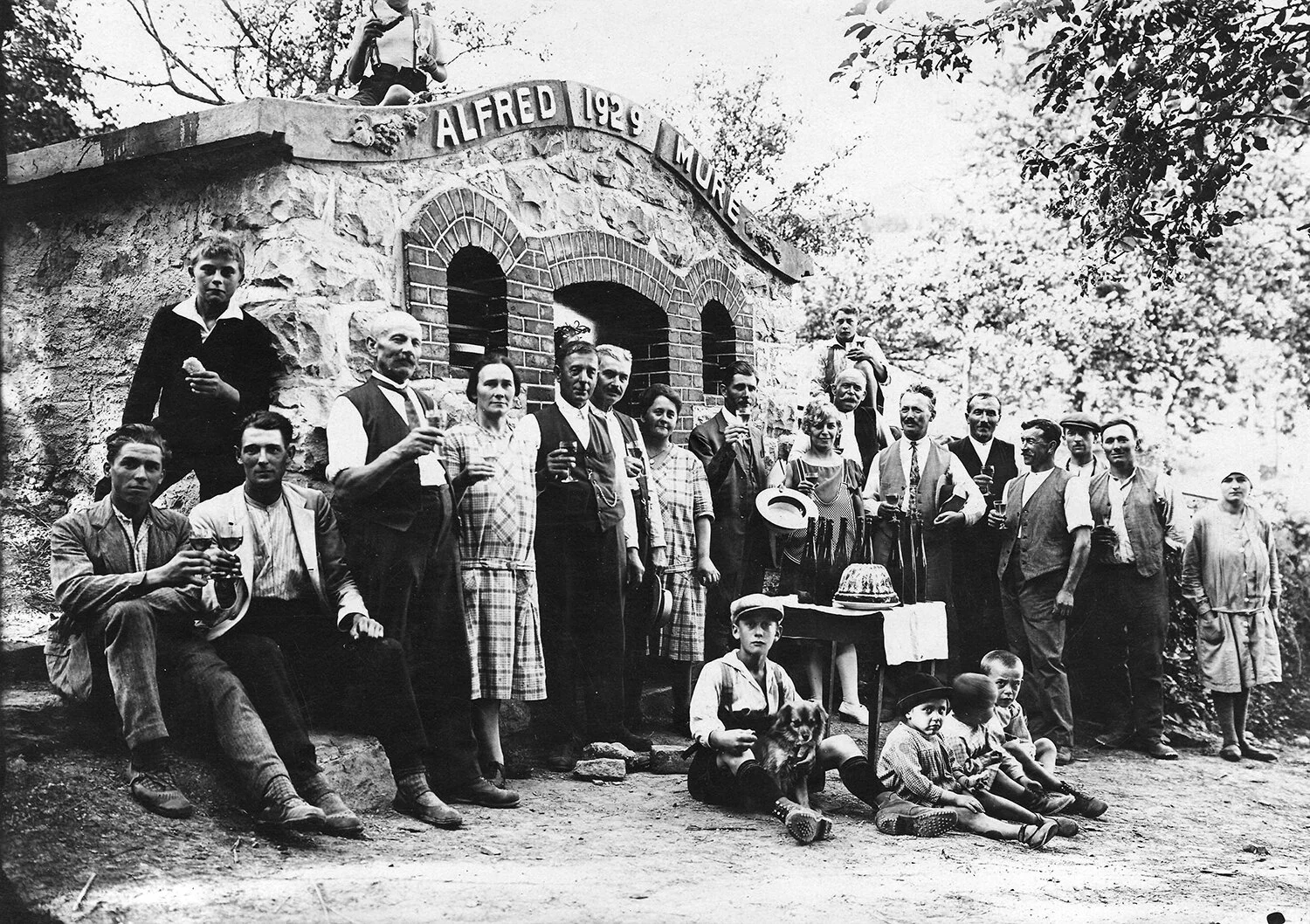
Mure

Based in Rouffach, ten miles south of Colmar, Veronique Muré and her brother Thomas represent the 12th generation in the family business, which began in 1650 in Westhalten in south Alsace. Clos Sant Landelin goes back to 1935. Véronique is also president of “Les Divines d’Alsace,” an organization of women wine professionals in the region.  The highest peak of the Vosges mountains in north-east France, Petit Ballon, and the Grand Ballon, protect the area from stormy winds. The region gets less rain than Nice.

Steinstuck-1929-2.jpg

Domaine Boeckel

If you want to try Alsace wines other than Cremant, try Boeckel of Mittelbergheim.  Founded in 1853, Domaine Boeckel is now run by the 5th generation of winemakers, Jean-Daniel and Thomas Boeckel. A real Alsatian gem, the Domaine stretches over 23ha of vineyards farmed according to organic viticulture.  Their vineyard produces the whole Alsatian range from Sylvaner with Grand Cru status, to delicious Gewürztraminer ( perfect with spicey dishes). Boeckel has the oldest chardonnay vines in Alsace, planted in 1968. Get hold of some organic crémant Zotzenberg Grand Cru. Try Brut Rose too. Ideally, all cremants should be served at 5-7C.

Terres d'Etoiles: Wine From a Land of Stars

Who’s ready for another romantic journey by the glass? So far we’ve visited Northern California and Italy. Today, we head to Terres d’étoiles – “land of stars” in a part of France that many overlook…

Alsace is located in northeastern France. The wine grapes of the region may remind you more of Germany or Austria. Riesling, Gewürztraminer, Sylvaner, Pinot Blanc. Mostly white wines with the occasional light bodied Pinot Noir.

Let’s explore! We’ll start this three-part series with Terres étoiles, an Alsatian Riesling that will have you seeing stars.

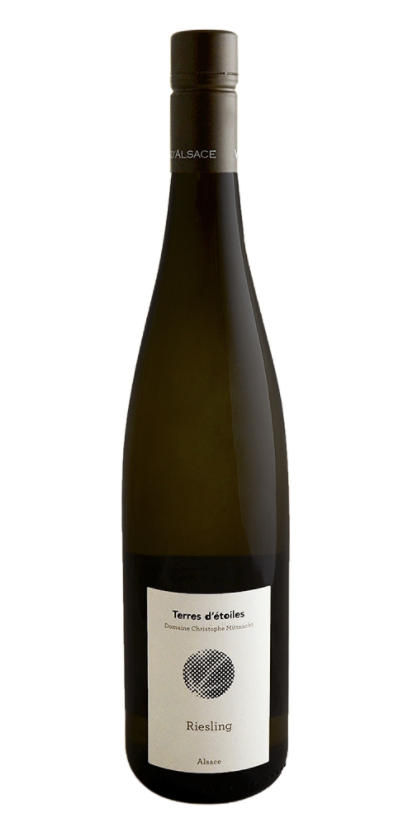
2018 Domaine Christophe Mittnacht, “Terres d’étoiles” Riesling, Alsace, France

Wine of the Week with Annette Tomei

Alsace

riesling-domaine-mittnacht-3.jpg

It was French, then it was German, then it was French again, and so on. This narrow strip of, now France, between the Vosges Mountains and the Rhine River has been around. Today, it is part of a larger administrative region. Grand Est is a recent coming together of Alsace, Lorraine, and Champagne-Ardenne. But the confusion does not stop there. It’s due to change one more time in 2021 when Alsace will become its own region, officially.

You can walk across the Rhine River to Germany from Alsace. Wander across a pedestrian bridge from Strasbourg in France, and find yourself in Kehl, Germany. The regional language, Alsatian, is also very close to German. But, if you meet a true Alsatian, you’ll know that they consider themselves to be quite unique. And they are. As are their wines.

Alsace has been an important wine growing region since the first century BC, thanks to the Romans. This is the only appellation in France where the grape is printed on the label. The most widely grown grape in the region is Riesling.

The Diversity of Riesling

In Germany, Riesling is categorized by its ripeness, and, therefore, the potential for sweetness. In a traditionally cold growing climate, ripeness and sweetness are highly prized in fruit and wine. The diverse Riesling grape can produce wines that are anywhere on the spectrum from bone dry to honey-like sweet and unctuous.

Unfortunately, in North America, Riesling has a bad reputation (kinda like Lambrusco). Too much of what came here in the 70s and 80s was soda sweet. Today, Riesling is often a sommeliers’ favorite, and still a hard sell. Well, for those who fear the sweet, allow me to introduce you to Alsatian Riesling.

Riesling in the most common wine grape in Alsace, and it is very happy there. The climate is sunny, dry, and cool with just the right soil conditions. And for those who prefer their Rieslings dry (no sweetness), you’re in luck. Alsatian Rieslings are intensely aromatic and made in the dry style.

Domaine Mittnacht

Christophe Mittnacht was one of the pioneers of the biodynamic movement in France. He believes that “biologically complex, complete soils are essential for producing elegant and terroir-driven wines.” Domaine Mittnacht Frères, founded in 1958, was one of the first certified biodynamic wineries (officially certified in 1999).

This family-run estate is best known for wines that are a true expression of the terroir. All their wines are made with minimal intervention, neutral oak (when used) and stainless steel. In addition to the Riesling, they also produce Gewürztraminer, Pinot Blanc, Pinot Gris, Pinot Noir, and a wonderful Cremant d’Alsace (bubbles).

Screen Shot 2020-10-07 at 7.32.45 PM.png

My Review of Terres d’étoiles Riesling

The fruit for the 2018 vintage of Terres d’étoiles Riesling comes from 35+ year old vines grown between Ribeauvillé and Riquewihr in Alsace. The fruit is fermented then aged on its lees in stainless steel tanks. Aging on lees adds body and character to the wine.

The intense aromas of honeysuckle, lychee, and petrol are classic for Riesling. When I first smelled the Terres d’étoiles Riesling I expected something bigger. I was surprised – in a good way – to find a zingy, tart, bone-dry wine. While my glass was still quite cold, the flavors were more green with a bit of unripe pineapple, green apple, and lime. As it warmed in the glass, aromas of ripe apricot and pear, accented with hints of floral and lime zest took over.

At 13.5% ABV, Terres d’etoiles Riesling is on the upper end of the alcohol spectrum. Therefore, weightier than most German Rieslings that are often under 11%. With all the zing and complexity, I wish I had a classic choucroute garni with this one. Or an Alsatian-style sweet onion tart?

I actually went to a different extreme – I paired this wine with a Thai-style green coconut curry and was very happy with the results. The next day I had more with a fennel and cara cara orange salad – also delicious.

Where to Buy Terres d’étoiles

I found the Domaine Mittnacht Terres d’étoiles Riesling online at Astor Wines. Wine.com has some of their other wines and may have this in stock at some point. Ask your local wine shop as well, they may be able to order it for you (and it’s always good to support local when you can).

The Summer Wind Came Blowin' In...Even This Year

The sand and the shore work their magic, if not exactly in the moment, then at least in the heat-wave haze of memory. As the great voice recalls, “All summer long we sang a song and then we strolled that golden sand…” Time to uncork what refreshes, revitalizes, comforts, especially in hues of white and rose.

White Stars

Alsatian riesling is a year-round pleasure. But it’s a refresher right now, dry and delightful.

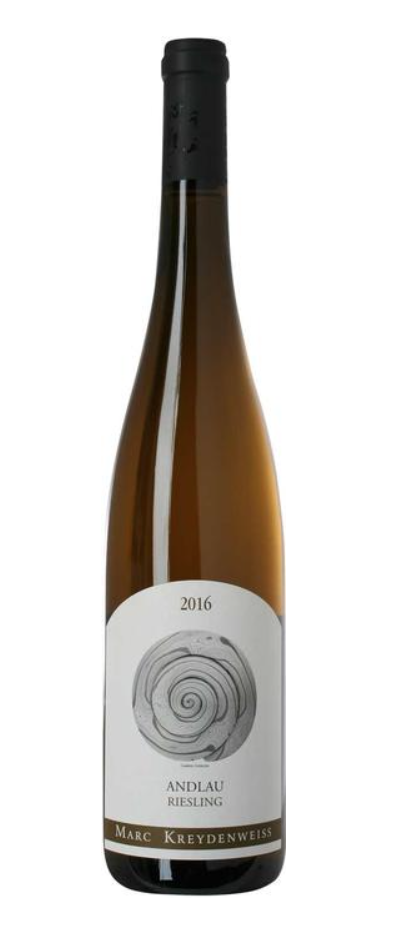
Look for the age-worthy, value-priced 2016 Marc Kreydenweiss Riesling Andlau (★★★ $23), with its flavorful notes of apricot and peach. Excellent now and also should be till the 2024 election. Enjoy this riesling with crab cakes, roast chicken, smoked fish, a country-style pate, or a spicy Thai seafood dish.

The 2016 Schoffit Riesling Lieu-Dit Harth (★★ $20) brings suggestions of tart apple and lemon in a spirited, lush package. The wine is good company for Japanese cuisine, the raw and the cooked; a crab cocktail, seafood salad; fish tacos; onion tarts.

And the 2015 Domaine Zinck Riesling (★★ $15) is a lighter choice, with a hint of lemon zest, that’s appealing as a sipper or with Thai and Vietnamese seafood preparations, smoked salmon, ceviche, and sole with cream sauce.

Screen Shot 2020-10-07 at 6.50.26 PM.png

Move Over, Rosé! Five Summer-Worthy Wines That Aren’t Pink

Cheers to warm weather drinking with riesling, vinho verde, and other summery whites—plus, an easy red to enjoy during your next BBQ.

Although summertime has become synonymous with rosé season, there are plenty of other warm-weather wines to keep you cool and refreshed as temperatures rise. Here are five of our favorite wine varieties to enjoy throughout the summer months.

Photo: Getty / Klaus Vedfelt

Photo: Getty / Klaus Vedfelt

Riesling

It's become the darling of sommeliers all over the world for a reason: Riesling is pure, fresh, and incredibly versatile. It's a perfect wine for summertime because of its aromas and flavors of cool citrus, tangy peach, and apricot with a crisp mineral finish. And although riesling has a reputation for being a sweet wine, it's actually made in many styles ranging from bone-dry to lusciously ripe, and even sparkling. One helpful tip to find your preferred style of riesling is a tool created by the International Riesling Foundation called the Riesling Taste Profile. It's a graphic found on the back label of over 12 million bottles of riesling every year; an arrow on a scale indicates if the wine is dry, medium-dry, medium-sweet, or sweet. It's a simple way of letting a consumer know exactly what to expect in terms of flavor and sweetness.

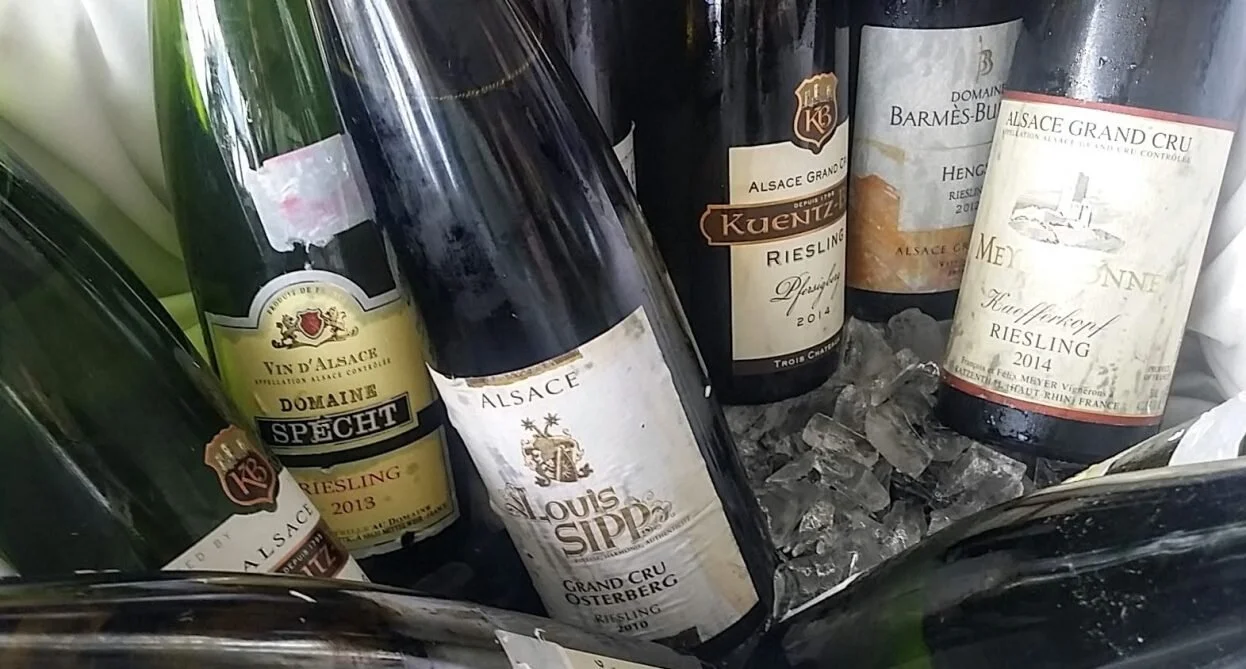
Another classic region for riesling is Alsace in France, where rieslings are generally drier than in Germany. Trimbach Riesling 2017 ($19.99, wine.com) and Domaine Remy Gresser Kritt Riesling 2015 ($21.99, winelibrary.comare two wonderful examples.

Rosé Wines are In Season – Exquisite Choices

With sunny skies and warm days ahead, there's no better time than now to expand your rosé horizons. These bright and beautiful rosé wines will help you find the right fit for your palate, party or pal. Our selections will suit different budgets and food pairing preferences. We have even included a few serving suggestions. Raise a glass to the beautiful weather and good times ahead.

1250-3b2ee3465cfdbdcf3978a3d8eac9194a.jpg

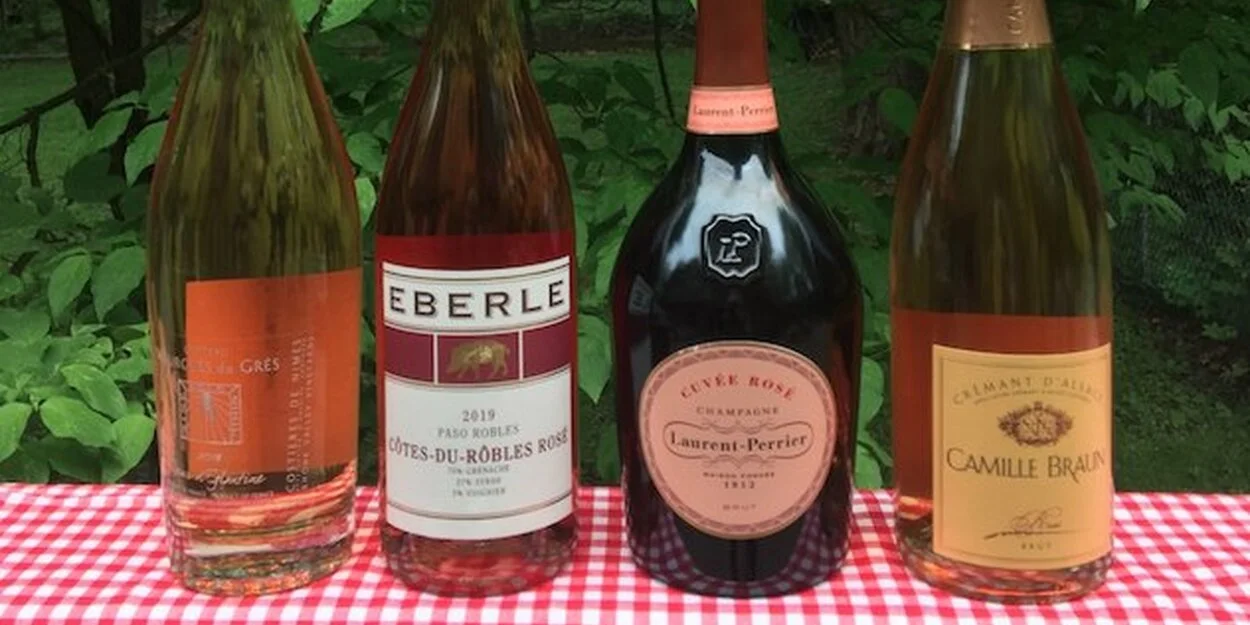
Switch up your cocktail game with Crémant d'Alsace Rosé. Made in the traditional method, this budget-friendly bubbly (usually $25 or less) from Alsace, France delivers ripe red fruit and herbal aromas lifted by bright acidity. Ranging from dry to semi-sweet styles, Crémant d'Alsace Rosé makes for a great apéritif, but will also add a burst of energy to fun seasonal cocktails, such as a Sparkling Summer Solstice Sangria or Strawberry Bellini. Visit: https://www.thehouseofglunz.com/products/camille-braun-cremant-dalsace-brut-rose.html.